
The Museum of Youth Culture: London finally gives youth its own home
There is a particular electricity in the air when a city decides to honour the people who once shook its foundations. On 20 June, London opens the doors of the world’s first Museum of Youth Culture, a permanent space in Camden dedicated to the movements, mischiefs, rebellions and aesthetics that have shaped modern Britain. It’s less an institution than a collective exhale: a place where generations can finally see themselves reflected without filters or footnotes.
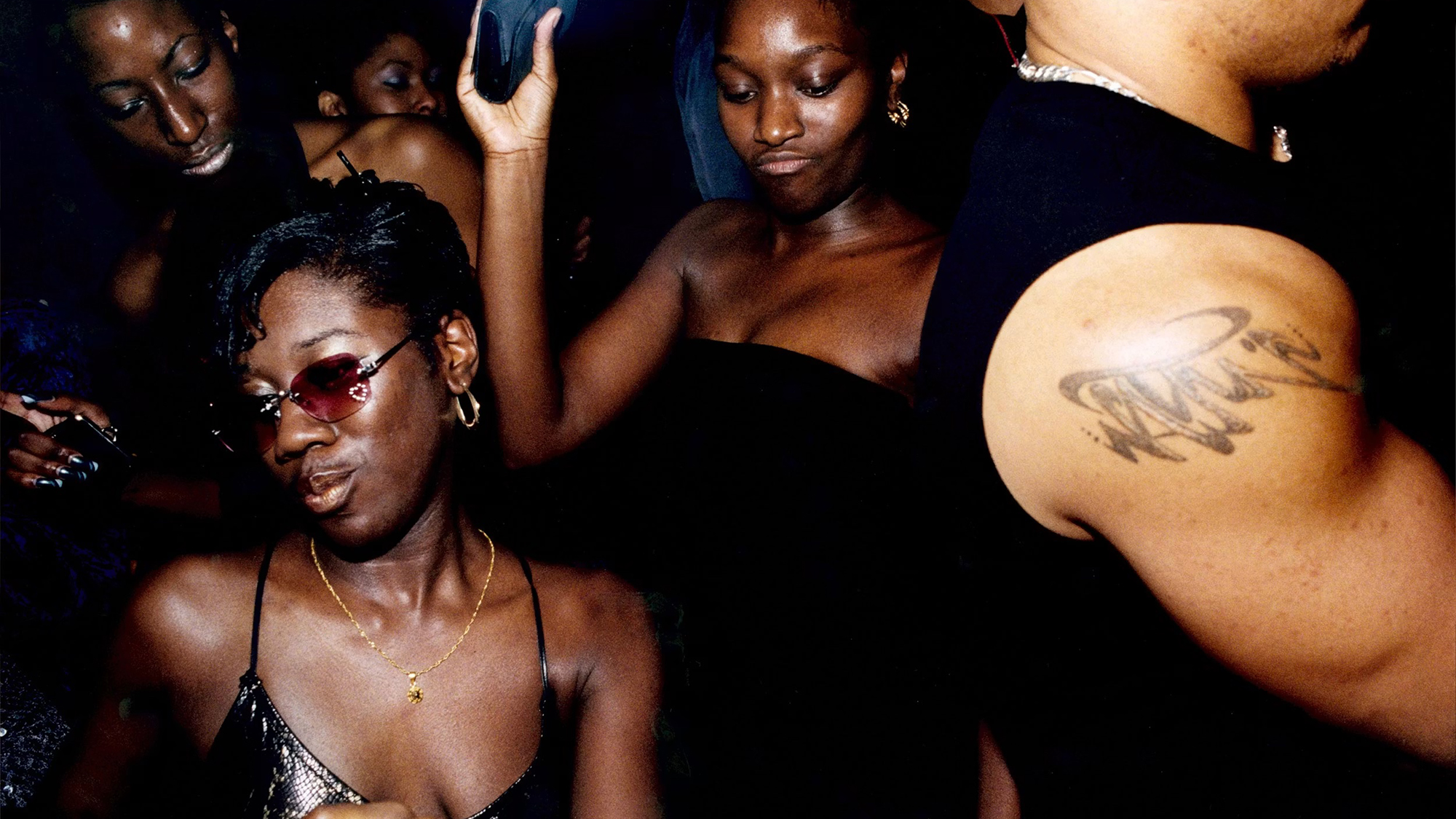
The museum occupies a newly designed 6,500‑square‑foot space in the heart of Camden, a neighbourhood that has always carried the scent of subculture. What began almost thirty years ago as a grassroots archive has now become a physical home for the photographs, flyers, stories and fragments of lived experience that risked disappearing into drawers, hard drives or memory itself. The collection is largely crowdsourced, and that is its strength: it belongs to the people who lived it.
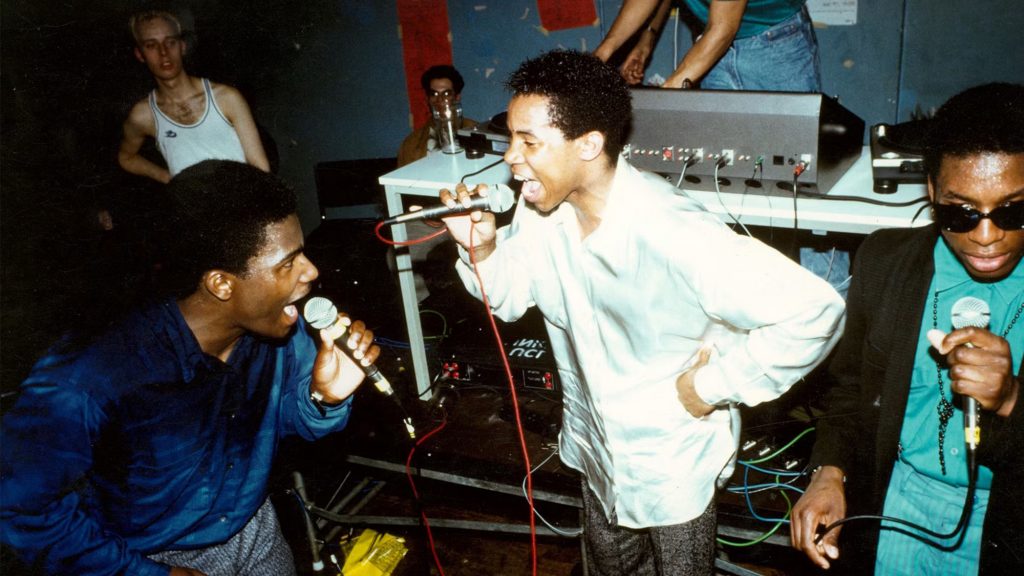
Walking through the galleries feels like moving through a living timeline of British youth. Teddy Boys, Mods, punks, ravers, grime kids, garage crews, activists, outsiders, dreamers: all coexist without being trapped in their respective boxes. The curators have resisted the temptation to freeze subcultures in amber. Instead, they’ve created a space where generations speak to each other. One installation, “Things I lied to my parents about”, becomes a quiet bridge between eras, reminding visitors that the teenage instinct to bend the rules is universal.
The ground floor sets the tone immediately. It looks and feels like a youth club reimagined for 2026: a café‑gallery hybrid with Rough Trade tucked into a corner, walls plastered with meticulous reproductions of 90s rave flyers, and a foosball table by artist Katie Town where each miniature player embodies a different subculture. Even the ventilation unit becomes a canvas, covered in neon doodles by illustrator Mark Wigan. It’s playful, but never trivial.
The main gallery is dominated by a custom sound system created by audiovisual artist and Notting Hill Carnival chair Linett Kamala in collaboration with Monitor Audio. It’s not just an installation; it’s a reminder that British youth culture has always been as much about gathering as it is about sound. The bass doesn’t just fill the room — it anchors it.
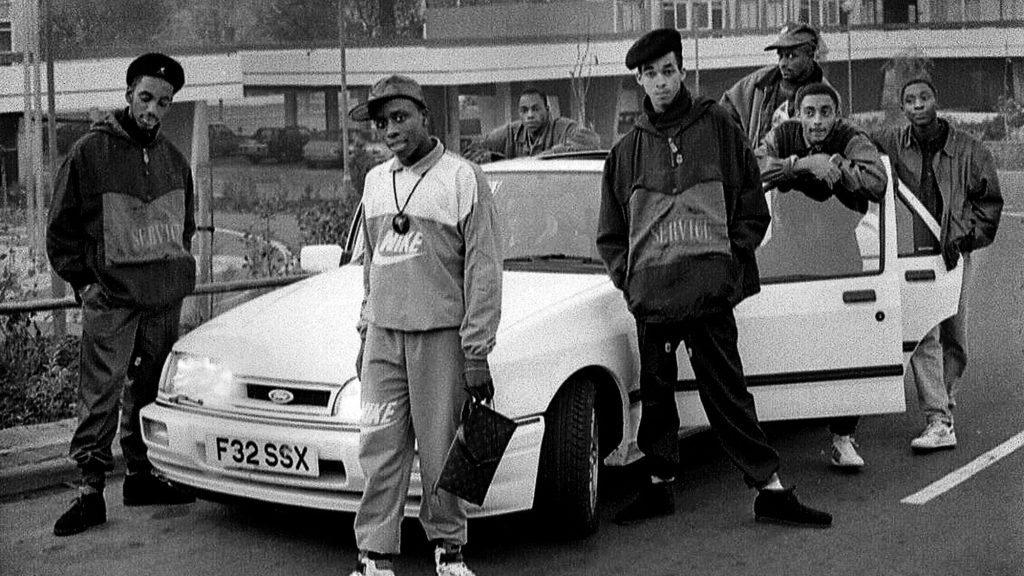
Despite the fresh paint, the museum already feels lived‑in. Perhaps because its story began in 1997, when founder Jon Swinstead started collecting the ephemera of youth culture before it vanished. When Jamie Brett joined in 2012, the project expanded into exhibitions, pop‑ups and national recognition, eventually landing its first permanent home in St Pancras Place. Camden is the next chapter, not the beginning.
The museum’s mission extends beyond preservation. It will host talks, workshops, exhibitions and educational programmes, with one of its four galleries co‑designed by young people currently involved with the organisation. The past is honoured, but the present is invited to speak.
True to its ethos, the Museum of Youth Culture continues to gather stories through its Grown Up in Britain campaign, calling on the public to contribute their own memories. Brett and Swinstead describe the museum as a necessary physical space where people can celebrate a shared national story. New venues are already planned for Birmingham in 2027 and Glasgow in 2029, expanding the project into a genuinely UK‑wide archive.
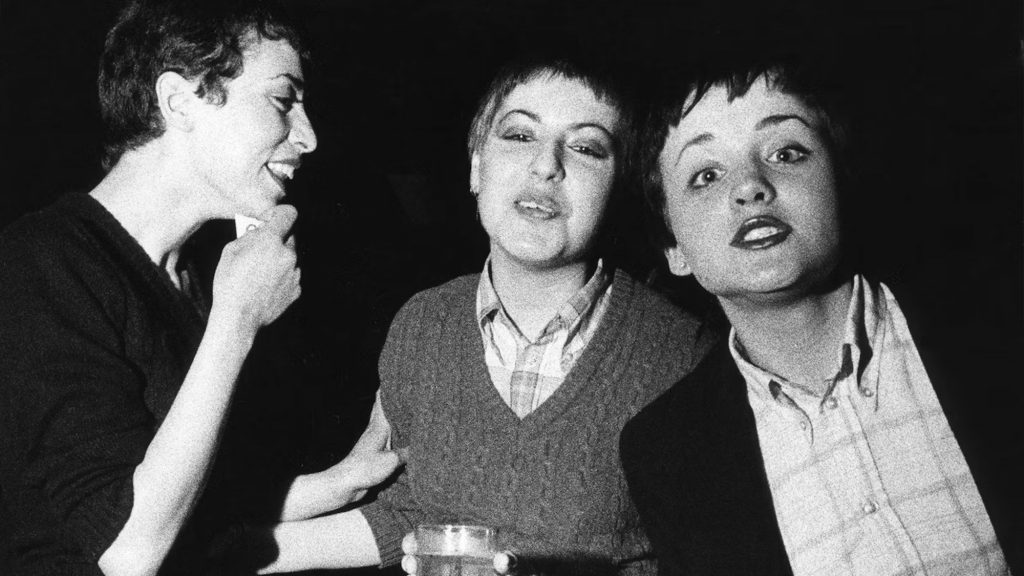
What lingers after a visit is not nostalgia, but recognition. The school discos, the house parties, the questionable haircuts, the scenes you observed from the edge or threw yourself into headfirst — all of it resurfaces with a clarity that feels almost physical. For a moment, you’re back there, suspended in that strange, luminous territory where everything felt possible.
The Museum of Youth Culture doesn’t ask you to remember being young. It lets you feel it again.
museumofyouthculture.com
