The Blue Print: How Gap Reclaimed Its Cool in the Age of Nostalgia
In the cyclical world of fashion, “heritage” is often used as a crutch. But for Gap, a brand that once defined the very fabric of the 1990s, looking back was the only way to move forward. After a decade of fading into the background of shopping malls, 2025 marks the year the San Francisco giant finally decoded how to speak to a new generation without losing its soul.
The Arch of an Icon
Founded in 1969 by Donald and Doris Fisher, Gap’s original mission was deceptively simple: solve the friction of finding the perfect fit. By the turn of the millennium, that mission had evolved into a cultural monopoly. The arched logo became a shorthand for “Americana”—a democratic uniform worn by Hollywood A-listers and toddlers alike.
However, as the digital era accelerated, Gap’s commitment to “basics” began to feel less like a choice and more like a lack of direction. While fast-fashion giants chased weekly trends, Gap found itself trapped in a cycle of heavy discounting, losing the emotional spark that once made its hoodies a status symbol.
The Transformation: From Promotional to Purposeful
The shift began in 2023, when the brand stopped trying to compete on price and started competing on relevance. According to industry insiders like Oli Walsh of Invisible Dynamics—the agency tasked with the brand’s rebirth—the decline wasn’t just about sales; it was about a loss of identity.
“There’s no silver bullet,” the agency noted during the transition. “The brand had become a promotional brand, losing the elements that made people love them in the first place.”
To fix the future, Gap had to stop acting like a retailer and start acting like a cultural curator again.
Why It Works for the Blend Generation
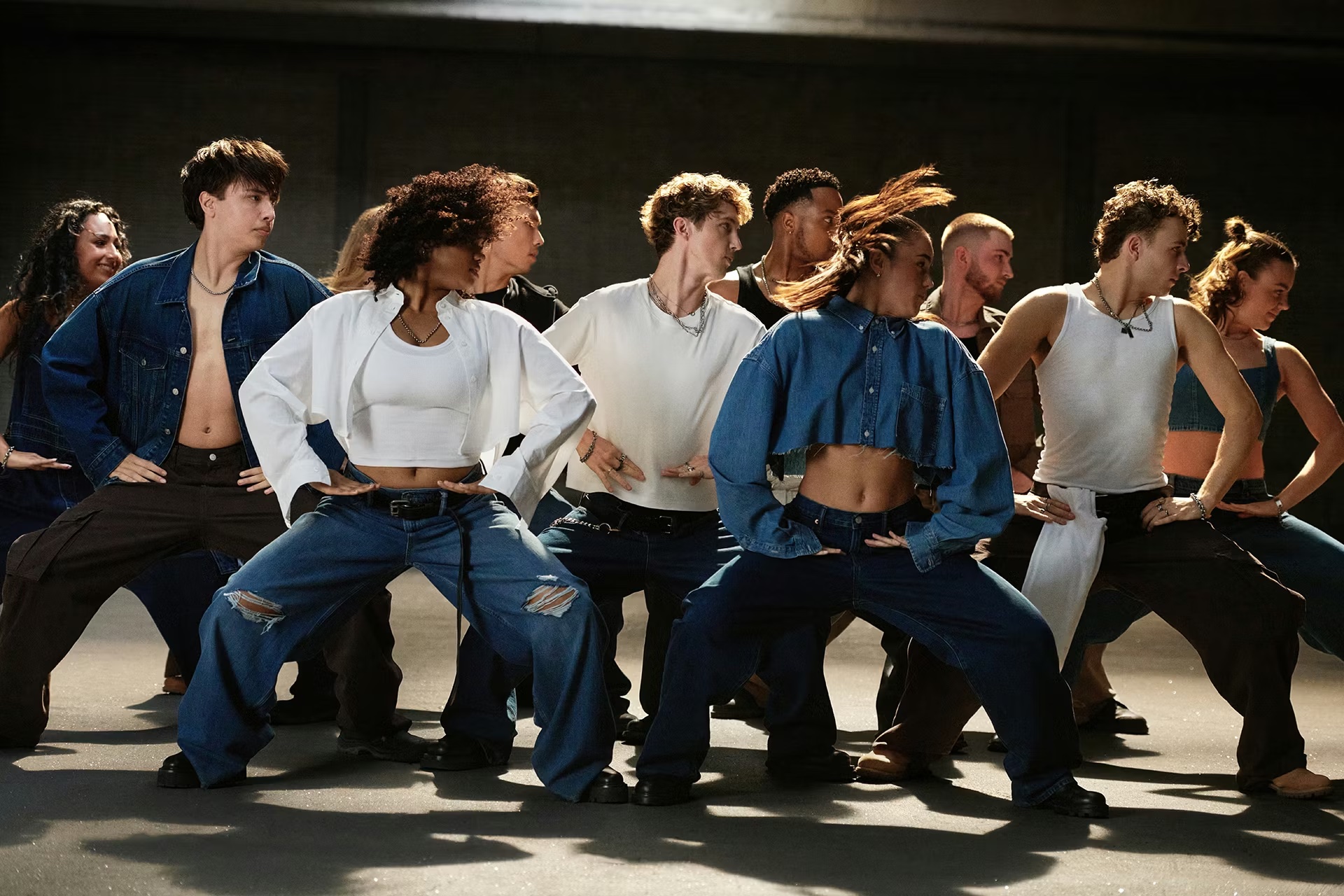
For the London creative scene, Gap’s resurgence resonates because it taps into the current obsession with archival fashion and authentic minimalism.
- Emotional Equity: Instead of inventing new stories, Gap leaned into its 90s archives, reminding Gen Z that they were the original architects of “normcore.”
- Cultural Fluidity: Through strategic collaborations and a renewed focus on fit over “fast” trends, the brand has successfully navigated the shift from the shopping mall to the mood board.
The lesson for 2025 is clear: innovation doesn’t always mean inventing something new. Sometimes, it’s about stripping away the noise to find the “perfect fit” that was there all along.