Sound of the East: The V&A East Museum opens with a celebration of Black British Music
London’s latest cultural landmark brings together art, design, fashion and music in an ambitious bid to engage local communities
A decade in the making, V&A East Museum opens to the public on April 18, marking a major milestone in the evolution of east London’s post-2012 cultural landscape. Situated within Queen Elizabeth Olympic Park as part of the East Bank development, the five-storey institution has been designed to serve as both a civic space and a creative catalyst, inviting participation with its audience.
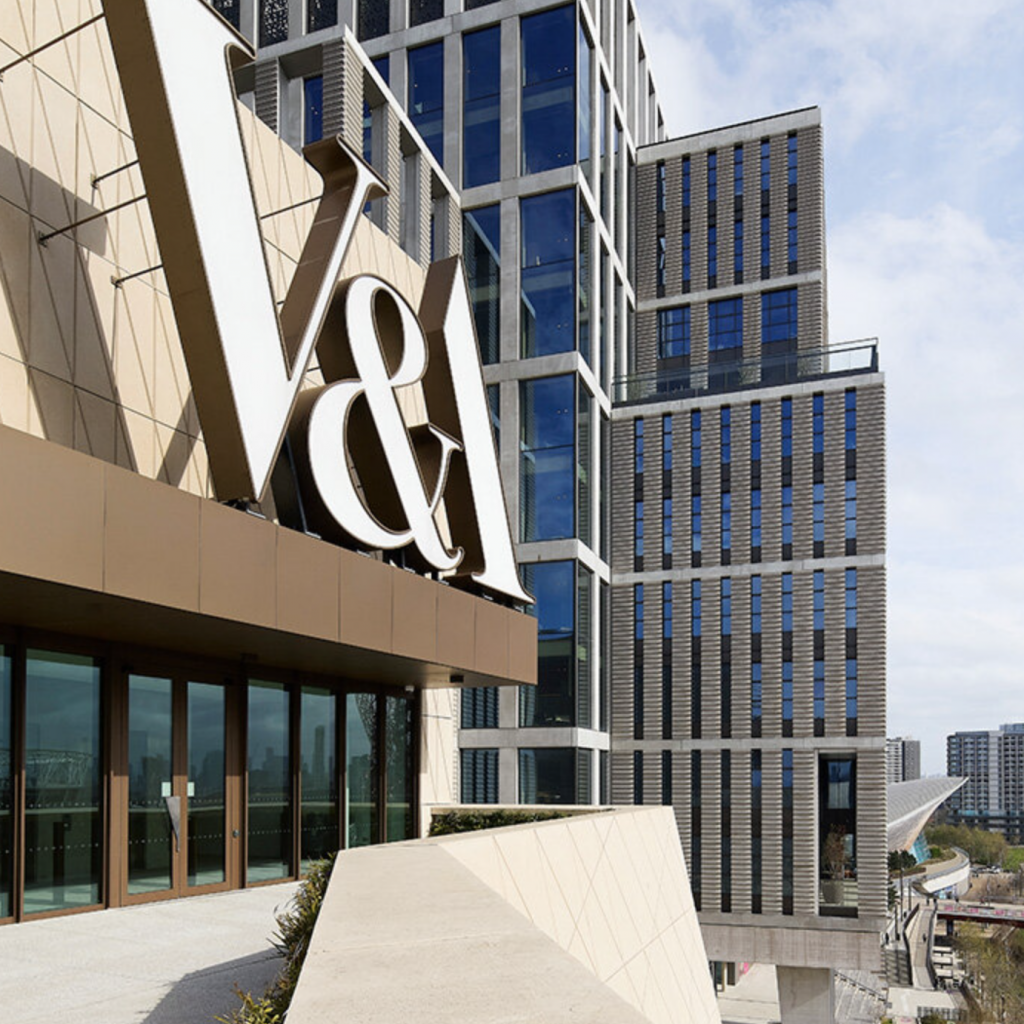
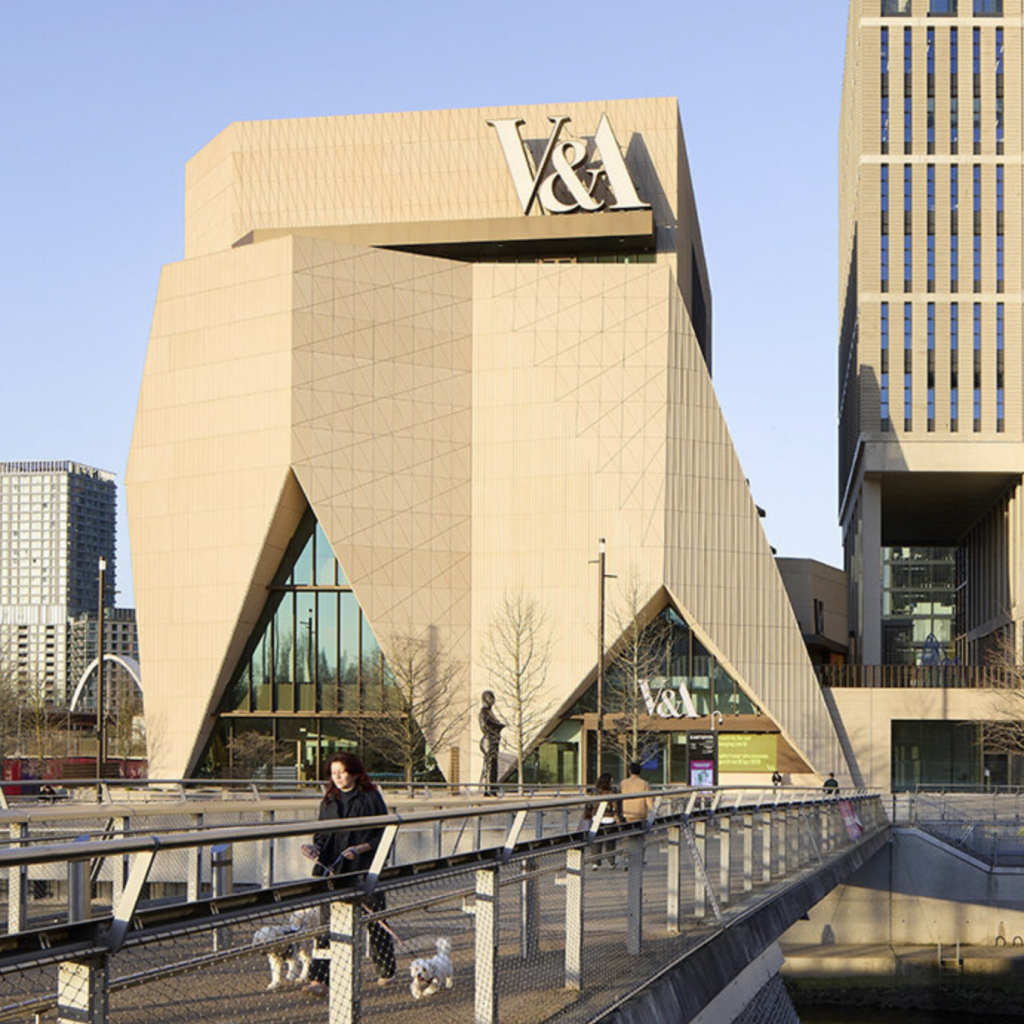
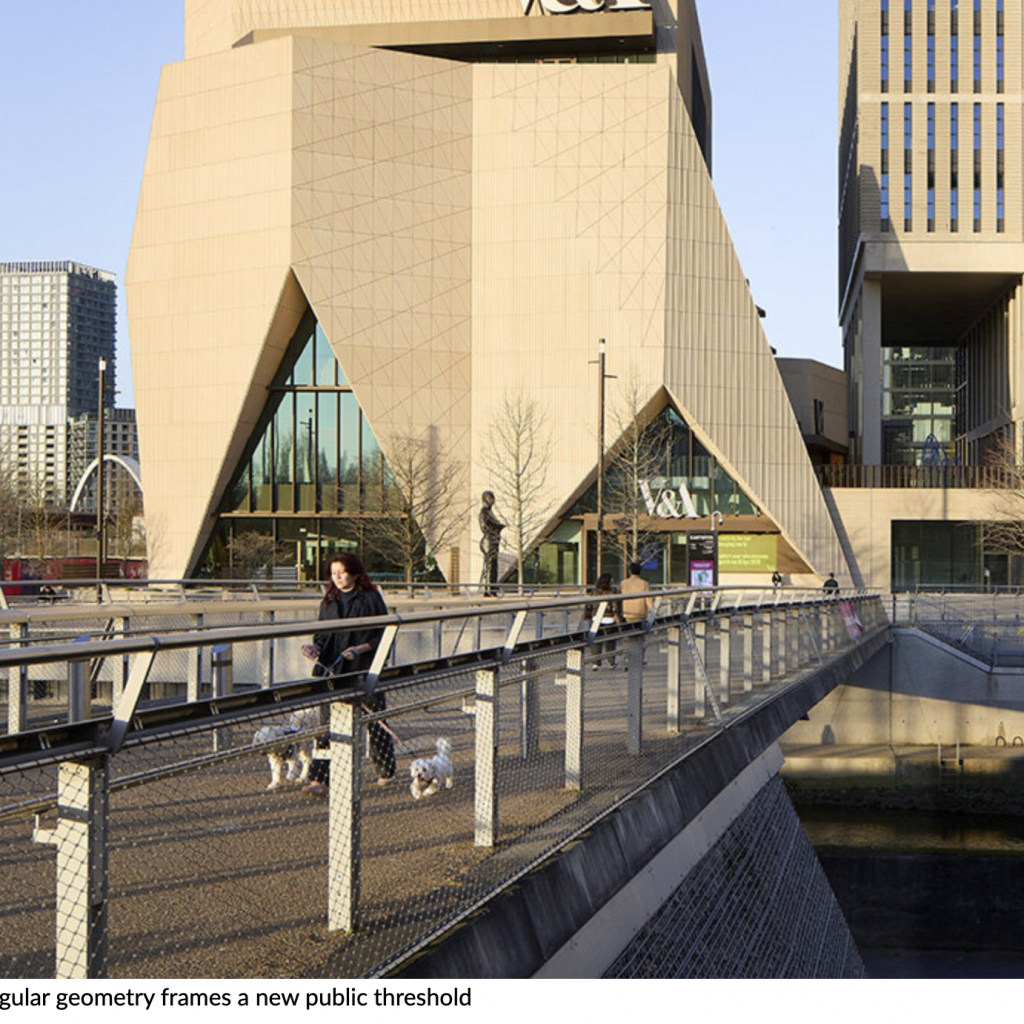
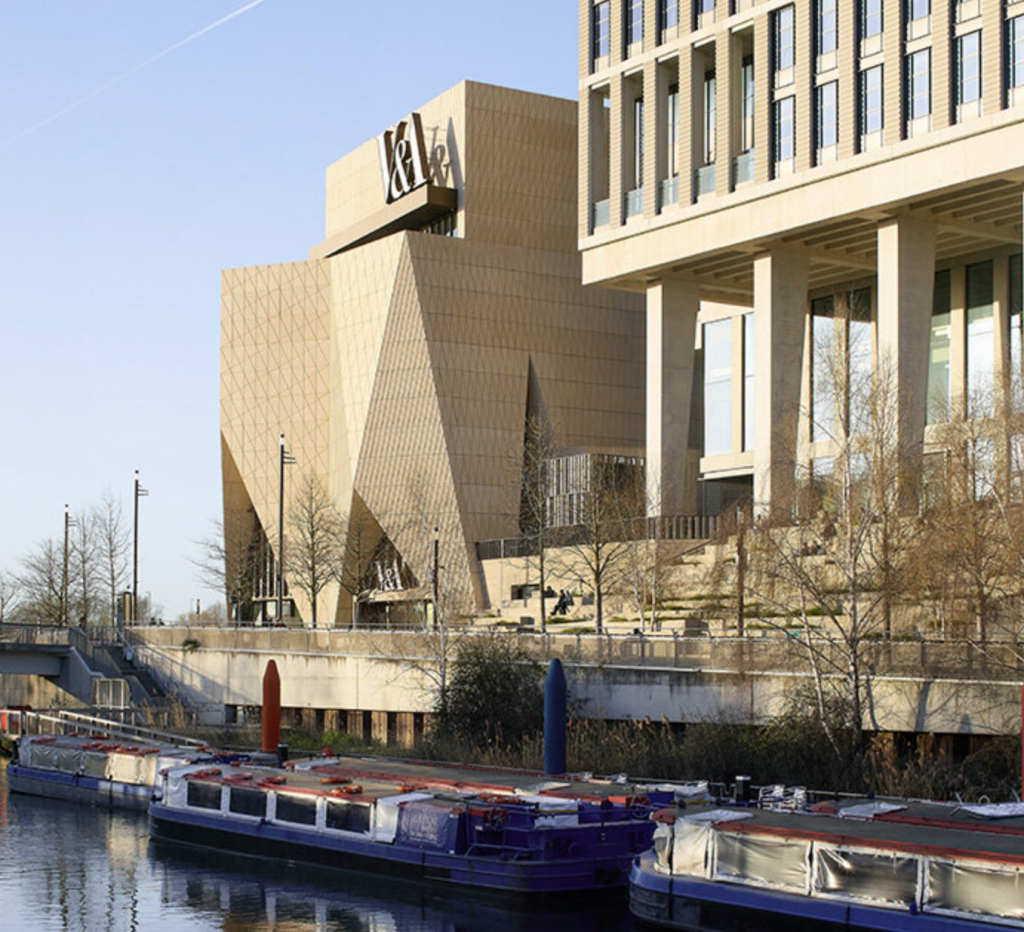
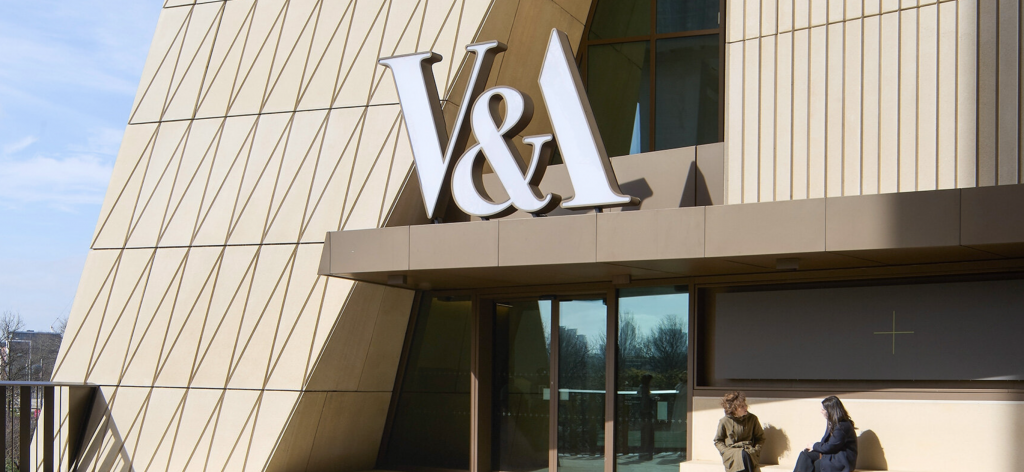
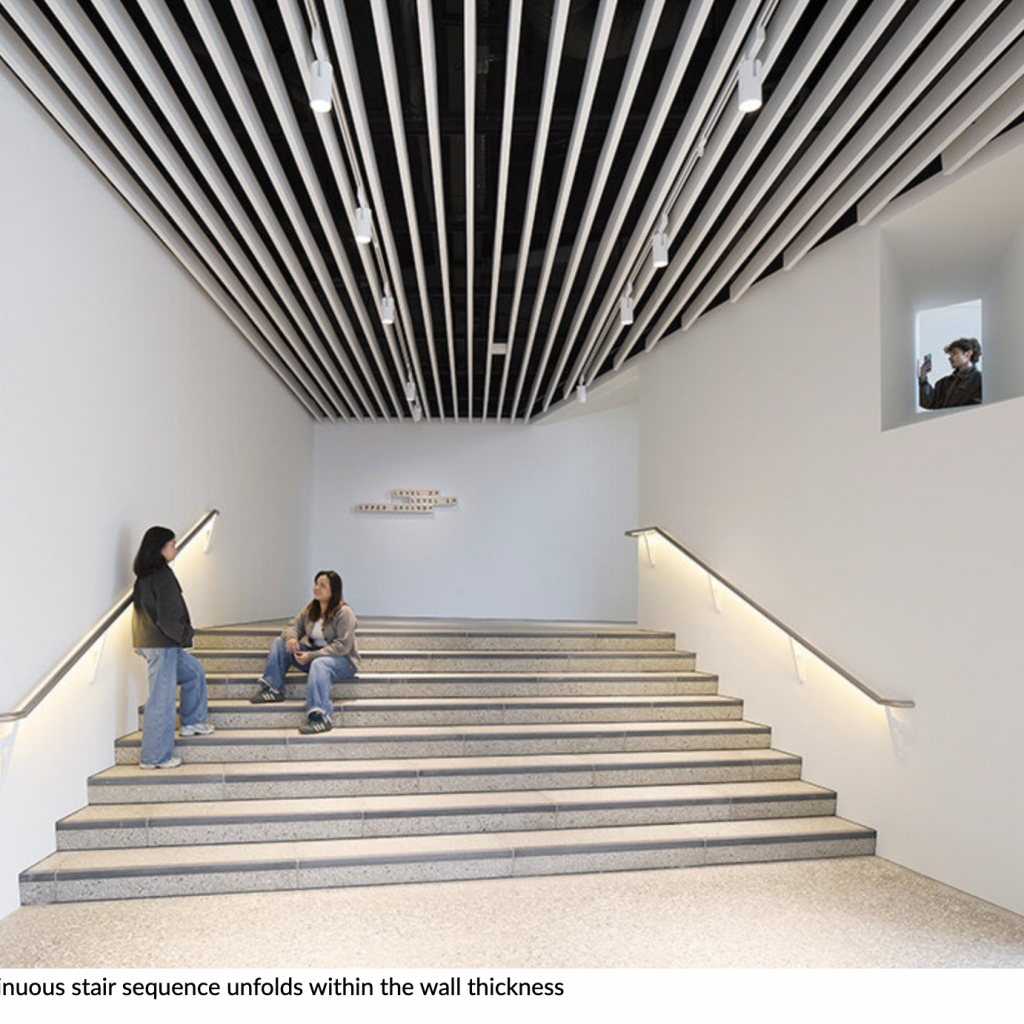
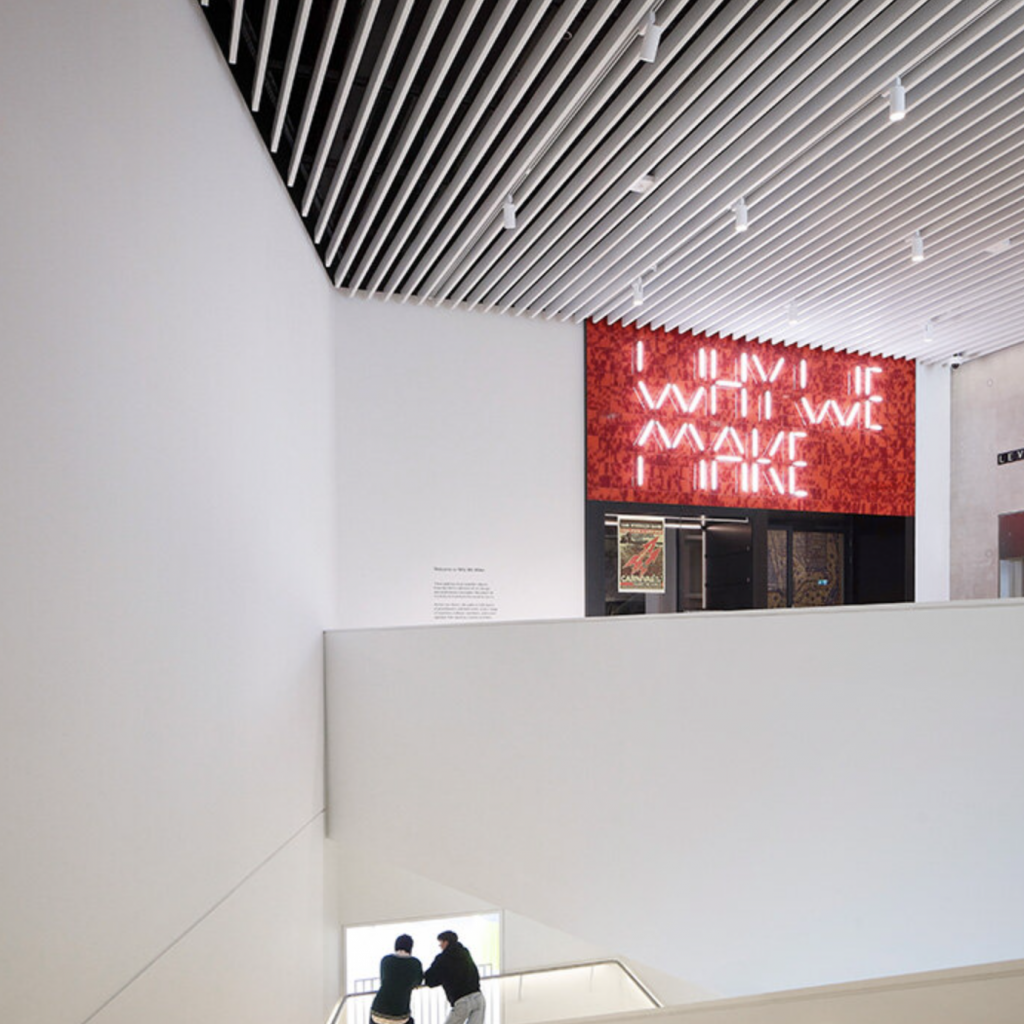
Designed by architecture firm O’Donnell + Tuomey, the building itself is a mass of geometrically rendered concrete, its austere, angular façade – inspired by Alan Fletcher’s V&A logo – concealing a network of light-filled atriums, corridors and stairwells complemented by a low-carbon, modular wayfinding system designed by Hackney-based Fieldwork Facility (who also worked on V&A East Storehouse and the David Bowie Centre).
Flanked on either side by the London (née Olympic) Stadium and the Westfield shopping centre, this imposing monument manages to stand out against Stratford’s gleaming steel-glass skyline. Striking though it undoubtedly is, however, the real question is whether it will succeed in connecting with local communities and, in particular, young people.
Director Gus Casely-Hayford describes the space as one where visitors can “see yourself, your stories, and experiences represented”, and that sentiment is at least clearly reflected in two key features of the museum. First, and most prominent, is Thomas J Price’s immense sculpture A Place Beyond, which stands outside the lower-ground entrance, depicting an anonymous young Black woman posed as though suddenly struck by an idea – she is exactly the kind of person the museum hopes to attract.
The second lies inside, and seeks to address a wider issue affecting Black, Asian and minority ethnic people of all ages in the UK: access. Previous studies show that those from BAME and lower socio-economic backgrounds typically have lower levels of cultural participation – in the borough of Newham, where the museum is located, only 29% of adults attended an arts event or participated in arts activity at least three times over a 12-month period, compared to 65% and 69% in Richmond and Kensington and Chelsea, respectively.
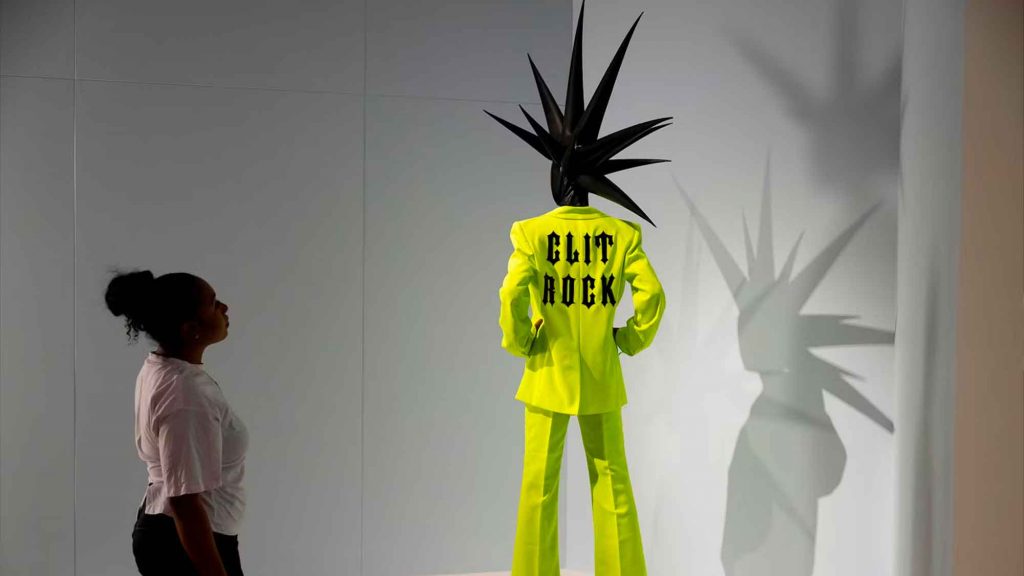
Added to this is the legacy of British colonialism, which continues to perpetuate inequity through institutional whiteness. Against this backdrop, the museum’s inaugural temporary exhibition acts as a deliberate corrective. The Music is Black: A British Story is a landmark survey of Black British music spanning approximately 125 years. Bringing together close to 300 objects, the show traces the emergence of eight genres – 2 tone, lovers rock, Brit funk, jungle, drum & bass, trip hop, UK garage and grime – foregrounding their considerable cultural and political impact, not just on these shores but around the world.
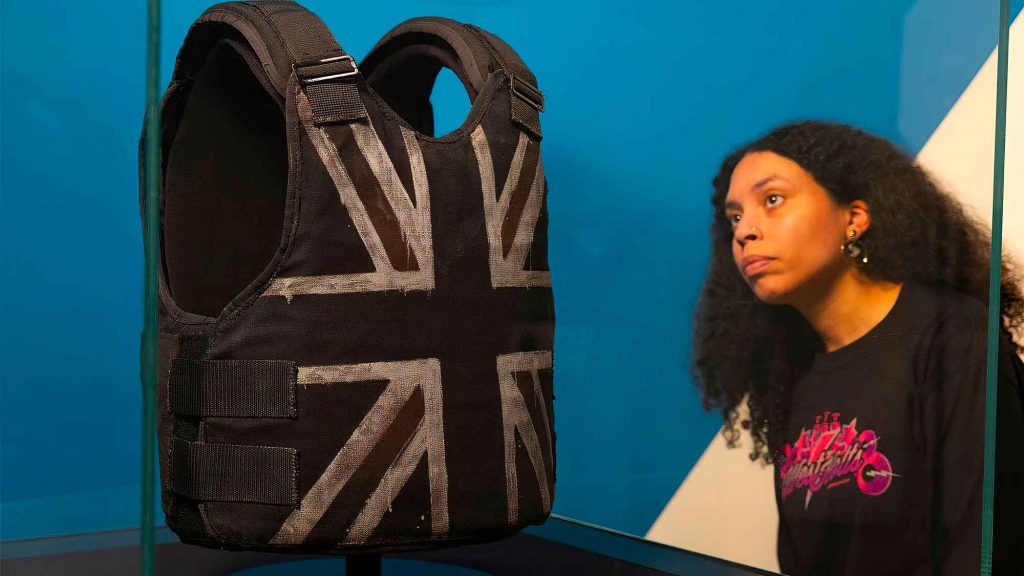
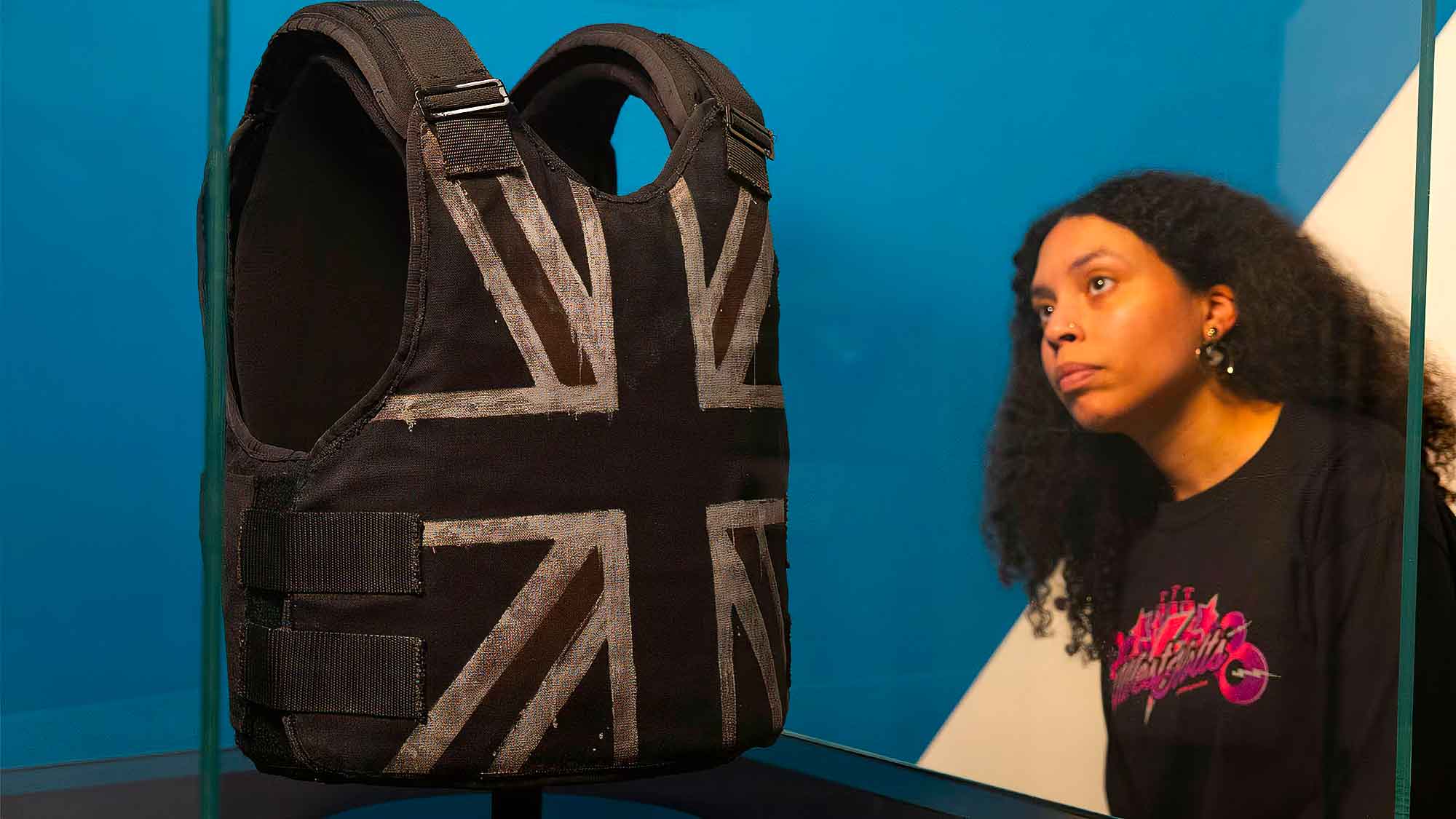
Artefacts range from Stormzy’s Banksy-designed stab-proof vest, famously worn during his headline set at Glastonbury in 2019, to original signage from Dalston’s legendary Four Aces Club, to instruments belonging to early song-writing pioneers such as Winifred Atwell and Joan Armatrading. Of all the items on display, CR’s personal favourite is the brown fur coat worn by Carroll Thompson on the cover of her seminal 1981 lovers rock album, Hopelessly in Love.