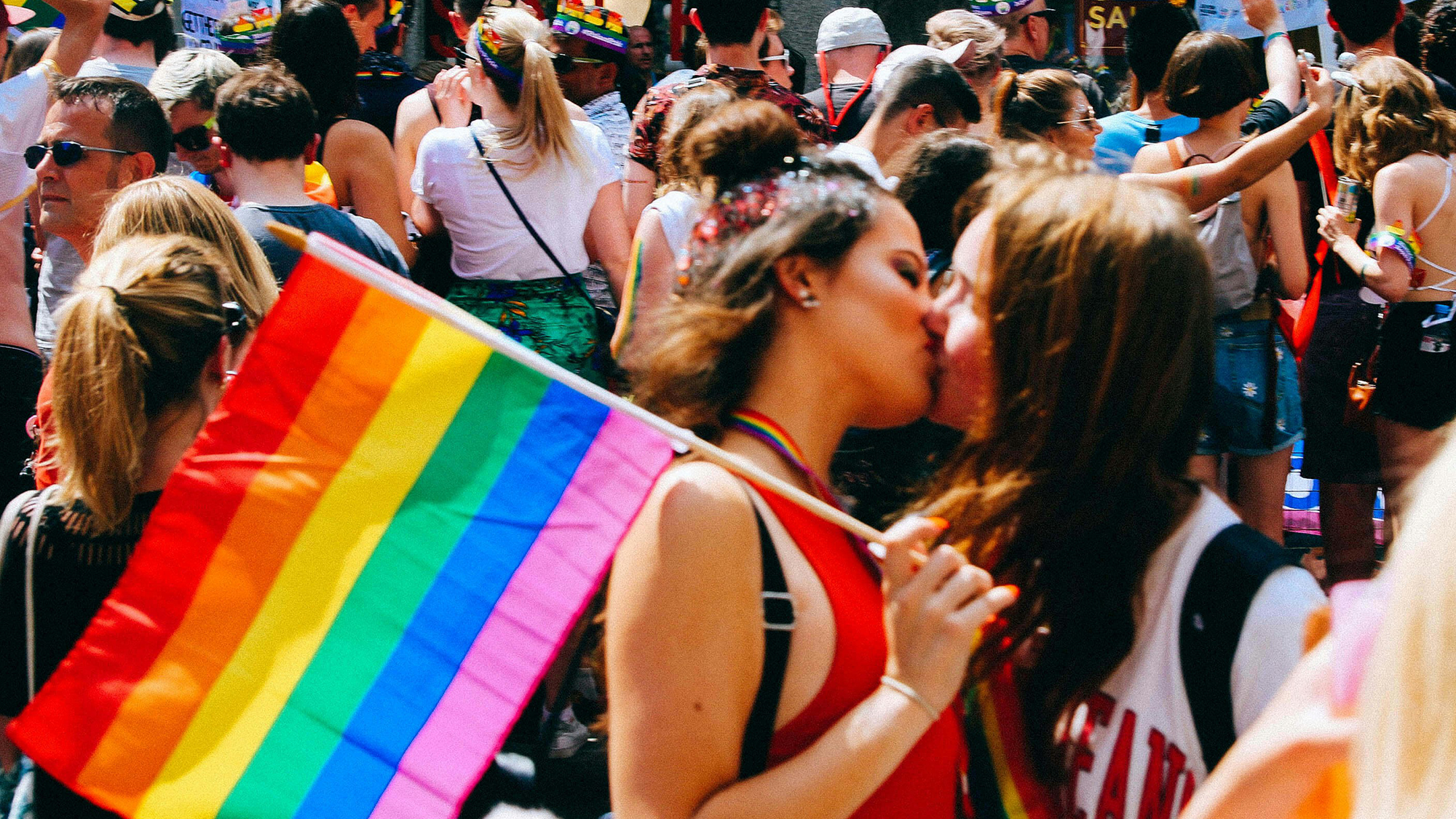
PRIDE LONDON 2026: MANY VOICES. ONE FRONT
Tomorrow, London steps into one of its most defining days of the year. Yes, it’s 4 July — and while the rest of the world might be busy with fireworks and Americana, here in the capital the focus is entirely different. Tomorrow is Pride London, and South London is already awake to it.
This year’s theme, “Many Voices. One Front”, isn’t a slogan designed for merchandise. It’s a statement of reality. London’s LGBTQIA+ community isn’t a single story — it’s a constellation of identities, cultures, generations and struggles. Pride 2026 brings them together not to flatten differences, but to show how powerful they become when they stand side by side.
A march that carries history
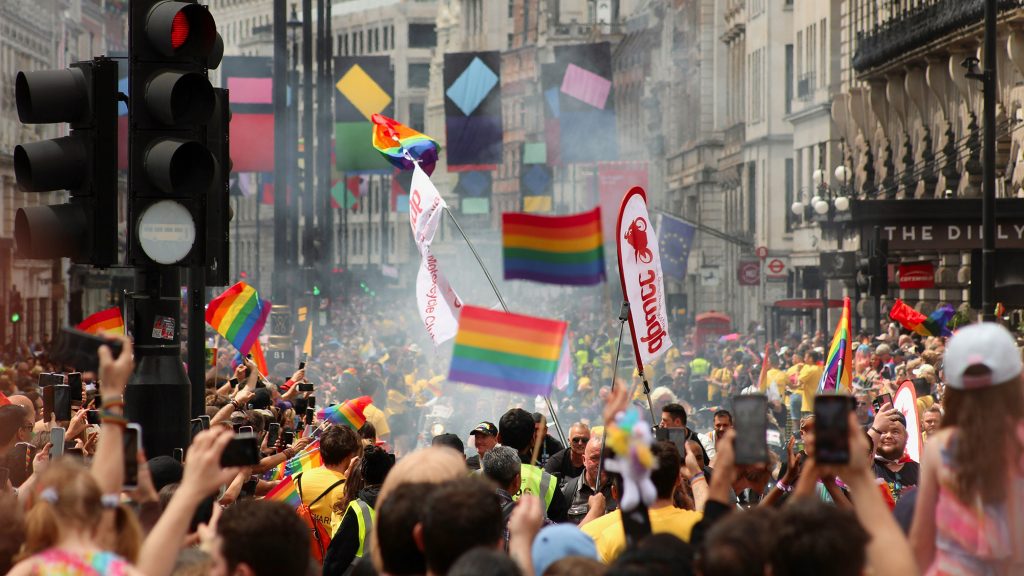
The parade sets off at noon from Hyde Park Corner, moving through Piccadilly, crossing Piccadilly Circus, sliding down Haymarket, brushing past Trafalgar Square and finishing in Whitehall. It’s a route that has become part of London’s cultural memory: from the first march in 1972 with just a couple of thousand people, to the 1.8 million expected tomorrow. Pride isn’t just an event — it’s a living archive.
Six stages, six identities
Pride London isn’t one big party. It’s a city-wide cultural map, each stage telling a different story:
- Trafalgar Square — Main Stage, headlined by MNEK.
- Golden Square — Global Majority Stage, spotlighting Black, Brown, Asian and Indigenous queer voices.
- Soho Square — Trans & Non-Binary Stage, the political heart of the day.
- Leicester Square — Women’s Stage, celebrating women and non-binary performers.
- Dean Street — Cabaret Stage, where London’s queer performance tradition thrives.
- Victoria Embankment Gardens — Family Area, inclusive, gentle, intergenerational.
It’s London at its most honest: messy, diverse, loud, political, joyful.
Why Pride matters in 2026
This year’s Pride arrives at a time when trans healthcare rights are under pressure, when hate crimes remain a real concern, and when visibility is not just celebration but protection. As activist Lisa Power MBE reminds us, progress is never guaranteed. And as Sadiq Khan put it, “In London you’re free to be who you are.” A simple sentence — still necessary in 2026.
Pride as South London sees it
South London doesn’t watch Pride from a distance. It lives it. From Brixton’s queer nightlife to Peckham’s creative collectives, from Clapham’s community groups to the grassroots activism that runs through Lewisham, Pride is not an annual spectacle — it’s part of the neighbourhood’s cultural DNA.
Here, Pride isn’t about rainbow branding. It’s about people. It’s about rights. It’s about showing up.
For Blend London Magazine
Covering Pride means recognising that culture is political. It means acknowledging that London’s identity is shaped by the communities who fight to be seen, heard and respected. It means telling the story of a city that doesn’t just host Pride — it becomes Pride.
Tomorrow, London won’t just be colourful. It will be conscious. And that’s the point.