Karel Martens’ Influence: A Beacon for South London Design
Karel Martens’ retrospective, “Unbound,” at the Stedelijk Museum in Amsterdam, celebrates the work of a true pioneer of Dutch design. But how do his ideas resonate with South London’s vibrant and creative scene? Born in 1939, Martens was a giant by his twenties, distinguishing himself with an approach to design that defied convention, free from the rigid grids that dominated his era. This same ethos of experimentation and creative freedom is the heartbeat of many emerging studios and artists across South London.
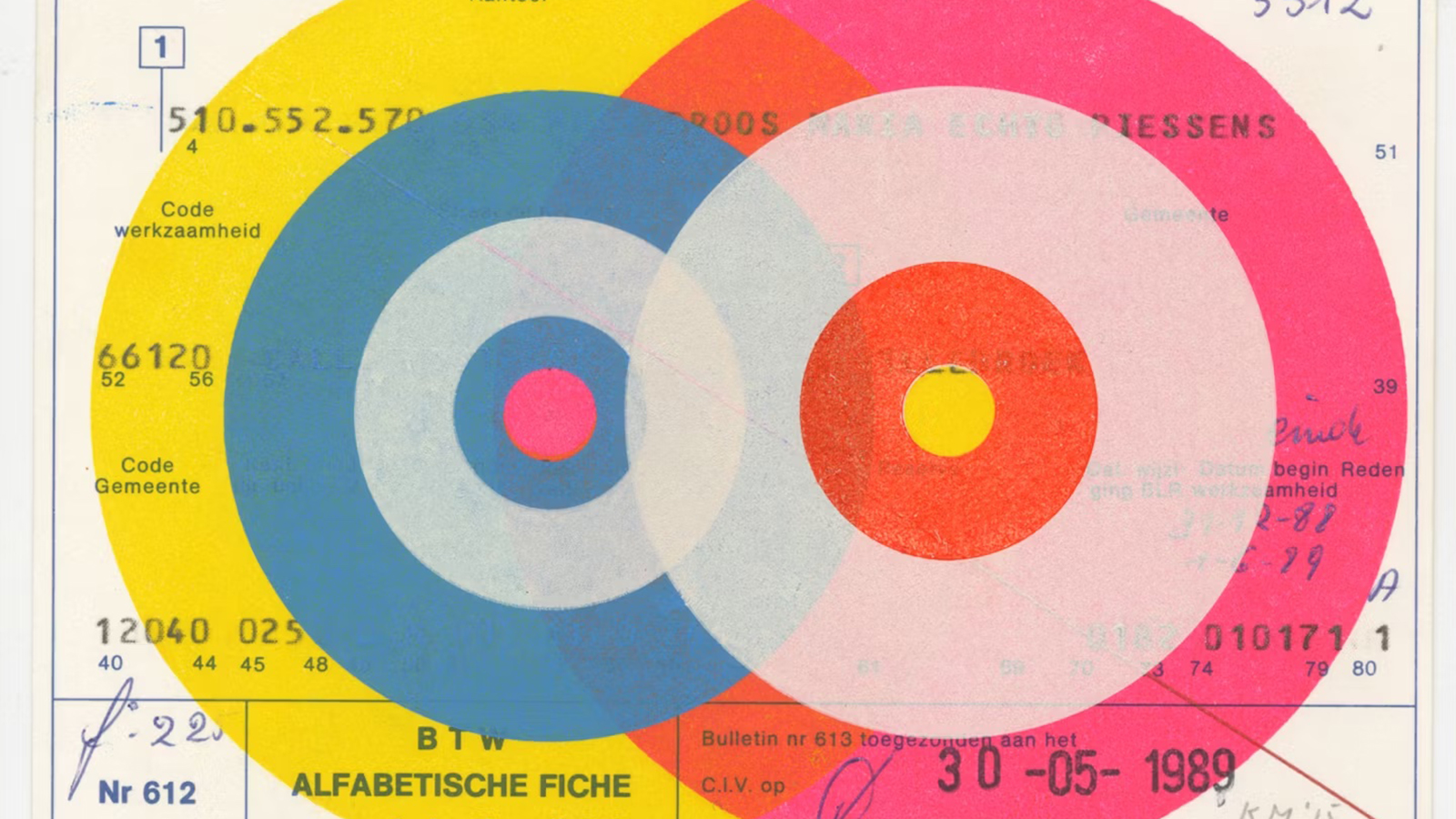
“Unbound” showcases over 300 of Martens’ works, highlighting his profound typographic explorations. For him, text wasn’t just a vehicle for meaning, but a malleable, almost sculptural form. Think of the covers for the architecture magazine Oase, which he co-founded with students from Werkplaats Typografie: each page is a lesson in how visual language can be subverted and reinvented. In the dynamic context of Brixton, Peckham, or Deptford, where murals, pop-up galleries, and independent bookstores abound, Martens’ idea of treating typography as living art has a powerful echo. Imagine how local designers could apply his vision to posters for community events or visual identities for independent shops in the area, transforming words into true urban masterpieces.
Martens’ innovation wasn’t limited to typography. The exhibition also reveals his groundbreaking work with colour systems. A striking example is the vibrant beach huts in Le Havre (2017), coloured using algorithms based on the city’s founding decree. This speaks to the ingenuity and data-driven approach that’s also gaining traction in South London, where public art installations often seek to interact with local history and environment. Applying logical systems to create visual beauty could inspire urban regeneration projects or artistic interventions in local boroughs, transforming public spaces with a touch of mathematical and poetic genius.
The show also offers an intimate glimpse into Martens’ studio, with materials and images revealing his creative process. This aspect is particularly relevant for South London’s design and art community, often characterised by shared workspaces, collaborations, and a focus on authentic “making.” Seeing the sketches and processes behind his works reminds us of the importance of experimentation and the evolution of ideas—an ethos that deeply resonates in the streets of Camberwell or Greenwich, where every corner can reveal a new talent or an unprecedented art form.
“Unbound” is an opportunity to reflect on the legacy of a master who combined rigour with freedom. For those living and creating in South London, Karel Martens’ work is an invitation to continue pushing boundaries, to use design not just as an aesthetic tool, but as a transformative force that reflects and enriches our community. The exhibition runs until October 26th, but Martens’ influence is set to last much longer, especially within the creative minds of our city.My apologies! Here’s the rewritten article in UK English, keeping the South London connection:
Karel Martens’ Influence: A Beacon for South London Design
Karel Martens’ retrospective, “Unbound,” at the Stedelijk Museum in Amsterdam, celebrates the work of a true pioneer of Dutch design. But how do his ideas resonate with South London’s vibrant and creative scene? Born in 1939, Martens was a giant by his twenties, distinguishing himself with an approach to design that defied convention, free from the rigid grids that dominated his era. This same ethos of experimentation and creative freedom is the heartbeat of many emerging studios and artists across South London.
“Unbound” showcases over 300 of Martens’ works, highlighting his profound typographic explorations. For him, text wasn’t just a vehicle for meaning, but a malleable, almost sculptural form. Think of the covers for the architecture magazine Oase, which he co-founded with students from Werkplaats Typografie: each page is a lesson in how visual language can be subverted and reinvented. In the dynamic context of Brixton, Peckham, or Deptford, where murals, pop-up galleries, and independent bookstores abound, Martens’ idea of treating typography as living art has a powerful echo. Imagine how local designers could apply his vision to posters for community events or visual identities for independent shops in the area, transforming words into true urban masterpieces.
Martens’ innovation wasn’t limited to typography. The exhibition also reveals his groundbreaking work with colour systems. A striking example is the vibrant beach huts in Le Havre (2017), coloured using algorithms based on the city’s founding decree. This speaks to the ingenuity and data-driven approach that’s also gaining traction in South London, where public art installations often seek to interact with local history and environment. Applying logical systems to create visual beauty could inspire urban regeneration projects or artistic interventions in local boroughs, transforming public spaces with a touch of mathematical and poetic genius.
The show also offers an intimate glimpse into Martens’ studio, with materials and images revealing his creative process. This aspect is particularly relevant for South London’s design and art community, often characterised by shared workspaces, collaborations, and a focus on authentic “making.” Seeing the sketches and processes behind his works reminds us of the importance of experimentation and the evolution of ideas—an ethos that deeply resonates in the streets of Camberwell or Greenwich, where every corner can reveal a new talent or an unprecedented art form.
“Unbound” is an opportunity to reflect on the legacy of a master who combined rigour with freedom. For those living and creating in South London, Karel Martens’ work is an invitation to continue pushing boundaries, to use design not just as an aesthetic tool, but as a transformative force that reflects and enriches our community. The exhibition runs until October 26th, but Martens’ influence is set to last much longer, especially within the creative minds of our city.