
Brutalism, Rationalism and the Bauhaus
A genealogy of ideas travelling through the twentieth century
Before Brutalism had a name, before the concrete was left bare and the structures exposed, there were other movements trying to answer a similar question: how should a society express itself through architecture. The twentieth century did not offer a single answer. It offered a sequence of attempts, each shaped by its own hopes and illusions.
Rationalism arrived first, with its promise of order. In Italy, in the 1920s and 1930s, architects believed that clarity could be a form of ethics. Geometry was not just a design choice; it was a moral stance. Buildings were stripped back to their essential lines, as if simplicity could redeem a country rushing towards modernity. There was a certain faith in the idea that form could educate, that a disciplined façade might produce a disciplined citizen. It was an optimism that carried both ambition and blindness.
Then came the Bauhaus, which was never simply a school. It was a way of thinking about life. Standardisation, modularity, the unity of craft and industry — these were not technical principles but social ones. The Bauhaus imagined a world where design could be democratic, where beauty could be accessible, where the boundary between art and labour dissolved. Its buildings were light, rational, confident in the future. They belonged to a moment when Europe still believed progress was linear.

And then the war arrived, and with it the collapse of that confidence. Cities were destroyed, economies shattered, and the optimism of early modernism suddenly felt naïve. The ideas survived, but they were no longer innocent. When they re-emerged in the 1950s, they had hardened. The clarity of Rationalism, the functional honesty of the Bauhaus — both were still there, but stripped of their utopian glow.
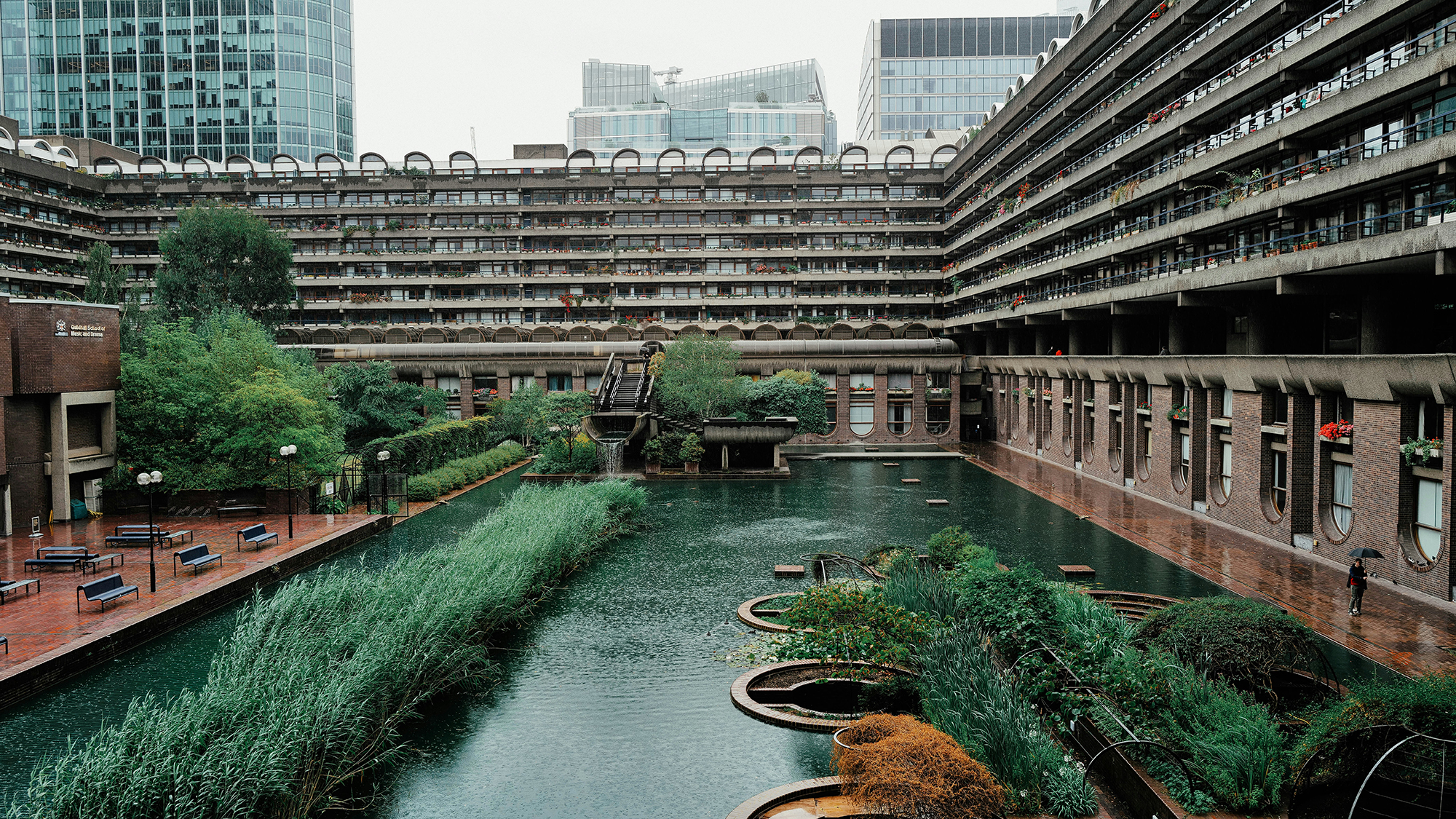
This is the point at which Brutalism enters the story. Not as a rejection, but as a transformation. It inherits the belief in structure, the respect for materials, the refusal of ornament. But it discards the lightness. It discards the optimism. It speaks in a different tone: one shaped by scarcity, reconstruction and the need for buildings that could withstand not just time, but reality.
Where Rationalism sought order, Brutalism sought truth. Where the Bauhaus imagined a harmonious future, Brutalism confronted the present as it was.
The continuity is visible, but so is the fracture. The early modernists believed architecture could guide society. The brutalists believed architecture should serve it. The difference is subtle, but decisive.
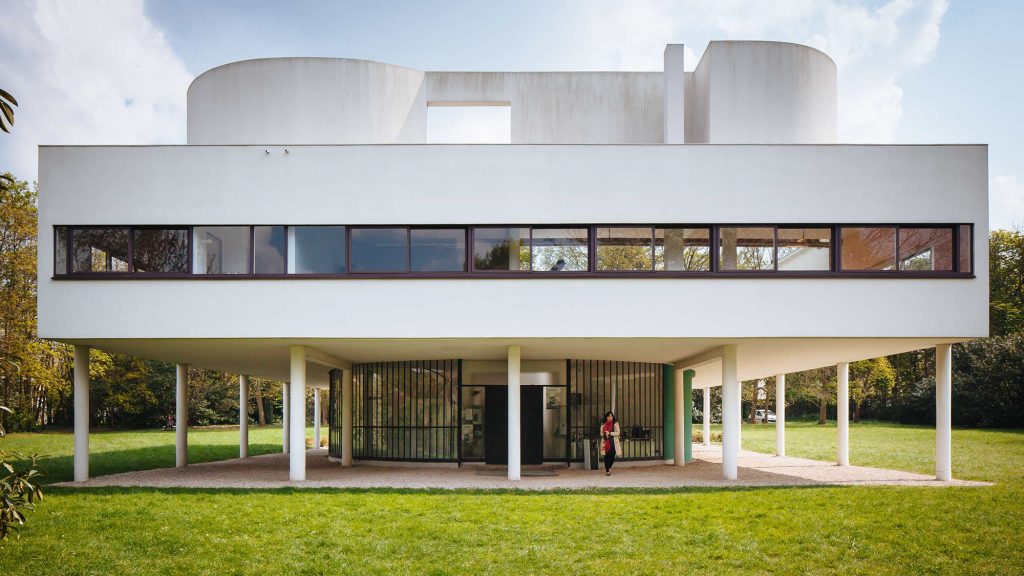
Looking back, the three movements form a kind of triptych: the promise, the method, and the reckoning. Rationalism offers the promise of clarity. The Bauhaus offers the method of unifying art and life. Brutalism offers the reckoning with what remains when the world no longer believes in promises.
And perhaps this is why Brutalism still resonates today. It carries the memory of those earlier ideals, but without pretending that the world ever fully lived up to them. It is architecture without illusion — the final chapter of a century that began with hope and ended with the need to rebuild.