Brutalism in London
A city that built its ambitions in concrete
London has always been a city negotiating with its own contradictions. It expands, contracts, reinvents its edges, and occasionally chooses to show itself without embellishment. Brutalism, here, was never an aesthetic diversion. It was a moment of clarity — a period in which the city expressed its intentions through buildings that did not seek approval, only purpose.
In the years after the war, London was a landscape of absences. Whole districts had been erased by bombing. Reconstruction was not a matter of architectural ambition; it was a social imperative. The city needed homes, schools, libraries, civic centres. It needed structures that could support a population displaced, growing, and often living on the edge of precarity. In that context, Brutalism offered something London had never quite articulated before: a language capable of saying “this is public” without relying on ornament.
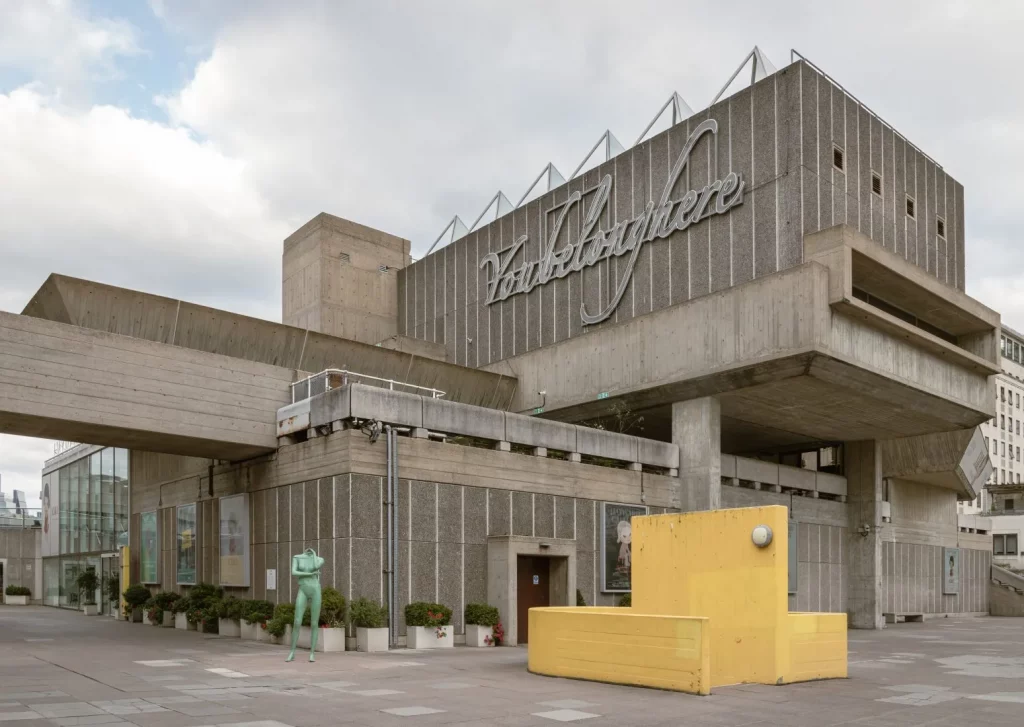
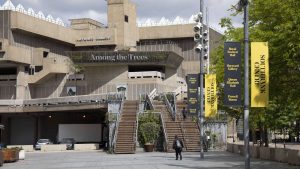
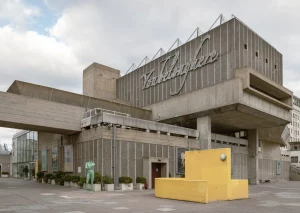
The Southbank Centre is the clearest expression of that ambition. It is not a building to be admired from a distance. It is an environment to be moved through — terraces, staircases, platforms, walkways. An architecture that produces culture not only through what it houses, but through the way it choreographs the city around it. It is not polite, nor is it discreet. It is unapologetically civic.
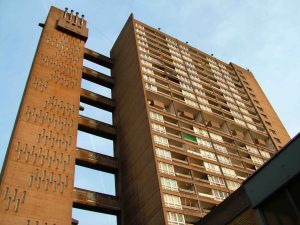
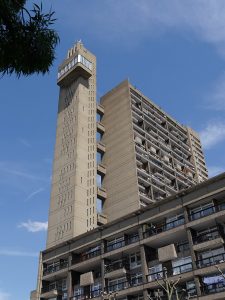
Then come the towers. Trellick Tower, Balfron Tower, the unmistakable silhouettes of Goldfinger’s work. For decades they divided opinion. To some, they were symbols of decline; to others, bold experiments in public housing. Seen from today’s vantage point, they reveal an ambition the contemporary city rarely attempts: the belief that those without wealth still deserve space, light, air, and a view. A simple idea, almost obvious, yet radical in its implications.
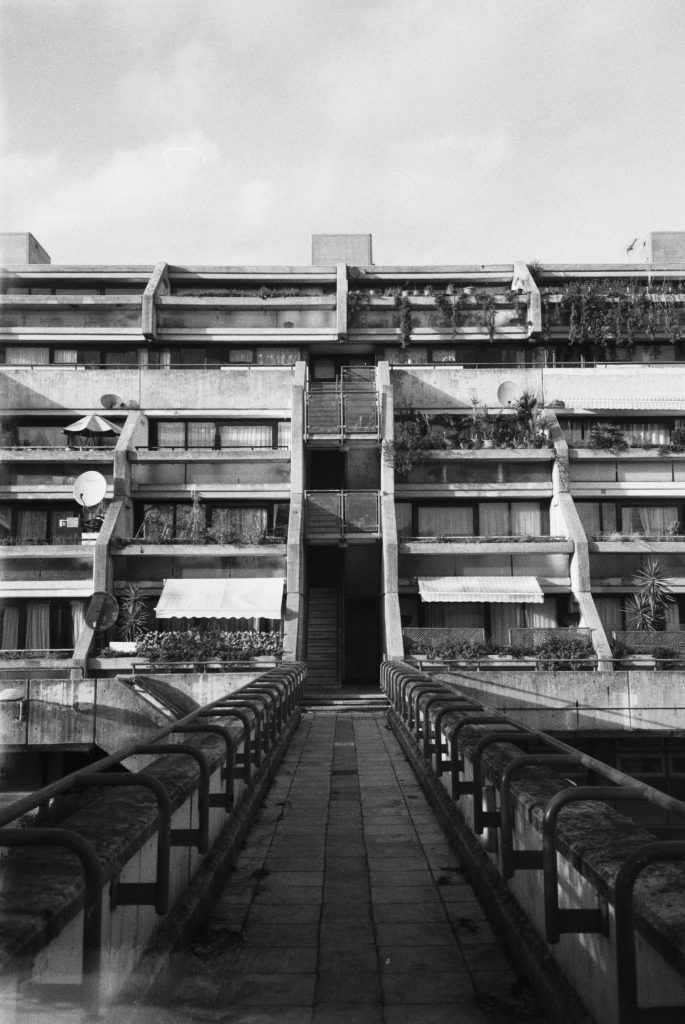
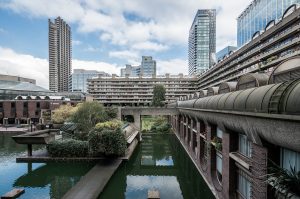
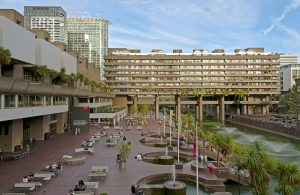
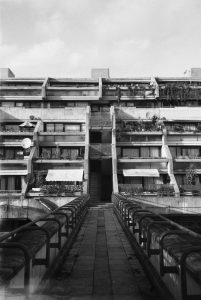
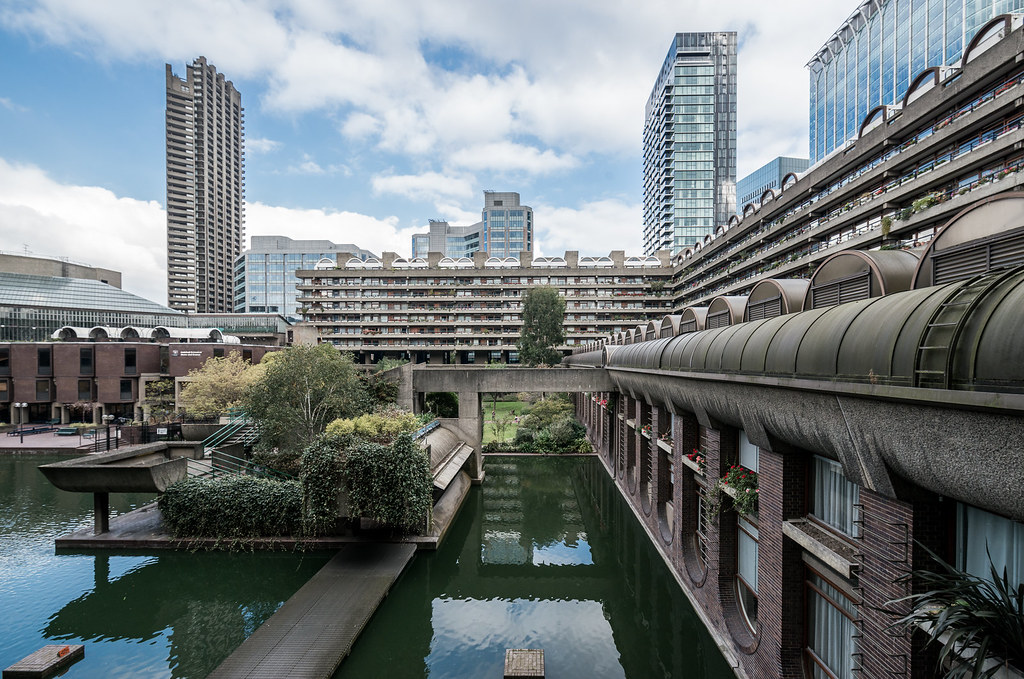
The estates tell a similar story. Alexandra Road Estate, Robin Hood Gardens, the Barbican before it became an icon. These were attempts to imagine a different form of collective life — more horizontal, more shared, more interdependent. Not all succeeded. Some were neglected, others demolished, others transformed into objects of architectural fascination. But each carried a question London has never fully resolved: how do you build community through design.
In recent years, London’s Brutalism has been rediscovered. Not out of nostalgia, but out of necessity. In a city where “new” often means private, exclusive, polished, these buildings offer an alternative: an architecture that does not flatter, does not disguise, does not perform. An architecture that states its purpose plainly.
Perhaps this is why younger generations approach Brutalism with unexpected respect. Not because it is beautiful, but because it is honest. Because it reflects a moment when London attempted to build not only structures, but intentions. And because, in an age of curated surfaces and commercial narratives, that honesty feels unexpectedly contemporary.
Brutalism in London was never merely a style. It was a political act. And it remains one.