
THE DESIGN THAT LISTENS
Neuro-inclusivity as a new cultural frontier
There is a point in the evolution of contemporary design where form ceases to be the protagonist. It is the moment when a project stops asking merely how it looks and starts asking how it is perceived. This year, Shoreditch Design Week demonstrates this with almost disarming clarity: design can no longer be neutral. It must be sensitive. It must be calibrated. It must be human.
The Neuroplaces pavilion is not merely a thematic area; it is a manifesto. Oliver Heath Design, Applelec, Baily Garner, and other studios present a vision focused not on aesthetics, but on the human condition. They speak of people who experience spaces differently—reacting in unique ways to light, sound, color, density, scent, and stimuli. They speak of sensory comfort as a right, not an optional extra; of inclusion as a daily practice, not a slogan.
Neuro-inclusivity is not a trend; it is a paradigm shift. It marks the transition from design as decoration to design as care. It reflects the awareness that an environment can make us feel better or worse, sharpen our focus or scatter our attention, welcome us or repel us. It signals the end of the notion that “one-size-fits-all” applies to space. That simply isn’t true—and it never has been.
In Shoreditch, this conversation takes on particular depth, as the neighborhood is a mosaic of stimuli: noise, light, textures, density, and movement. It is a place that can be either energizing or overstimulating, depending on who is moving through it. Bringing neuro-inclusivity here means recognizing that the city is not a stage set, but a living organism—and that design must learn to engage with its complexity rather than simply imposing an aesthetic upon it.
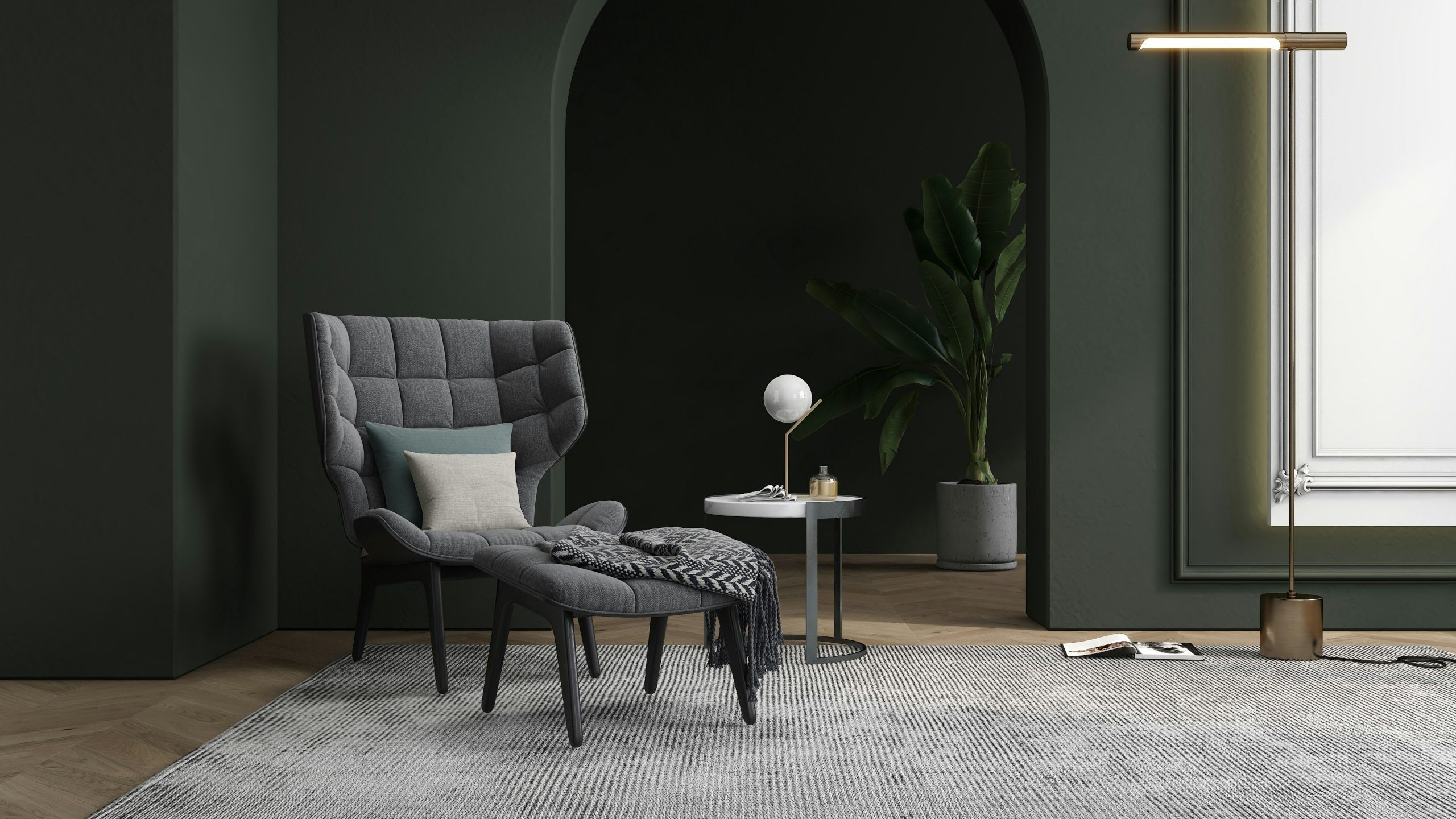
The installations do not showcase “solutions”; they demonstrate sensitivity. They highlight noise-absorbing materials, lighting that doesn’t overwhelm, colors that aren’t oversaturated, and pathways that don’t cause confusion. They speak of spaces that do not ask people to adapt, but adapt to them instead. It represents a cultural shift: design is no longer an act of imposition, but an act of listening.
And this act of listening has a significant consequence: it changes the very definition of beauty. Beauty is no longer what strikes the eye, but what does no harm. It is no longer what impresses, but what sustains. It is no longer what draws attention, but what allows one to simply be. It is a quieter, more balanced, more mature kind of beauty—one that seeks presence rather than attention.
In this context, Blend London Magazine can tell the story of neuro-inclusivity not merely as a technical innovation, but as a cultural gesture. It serves as proof that design is becoming a language that does not just describe the world, but makes it more habitable; as a demonstration that creativity is not just expression, but responsibility; and as evidence that London, in all its wonderful chaos, is learning to be kinder.