
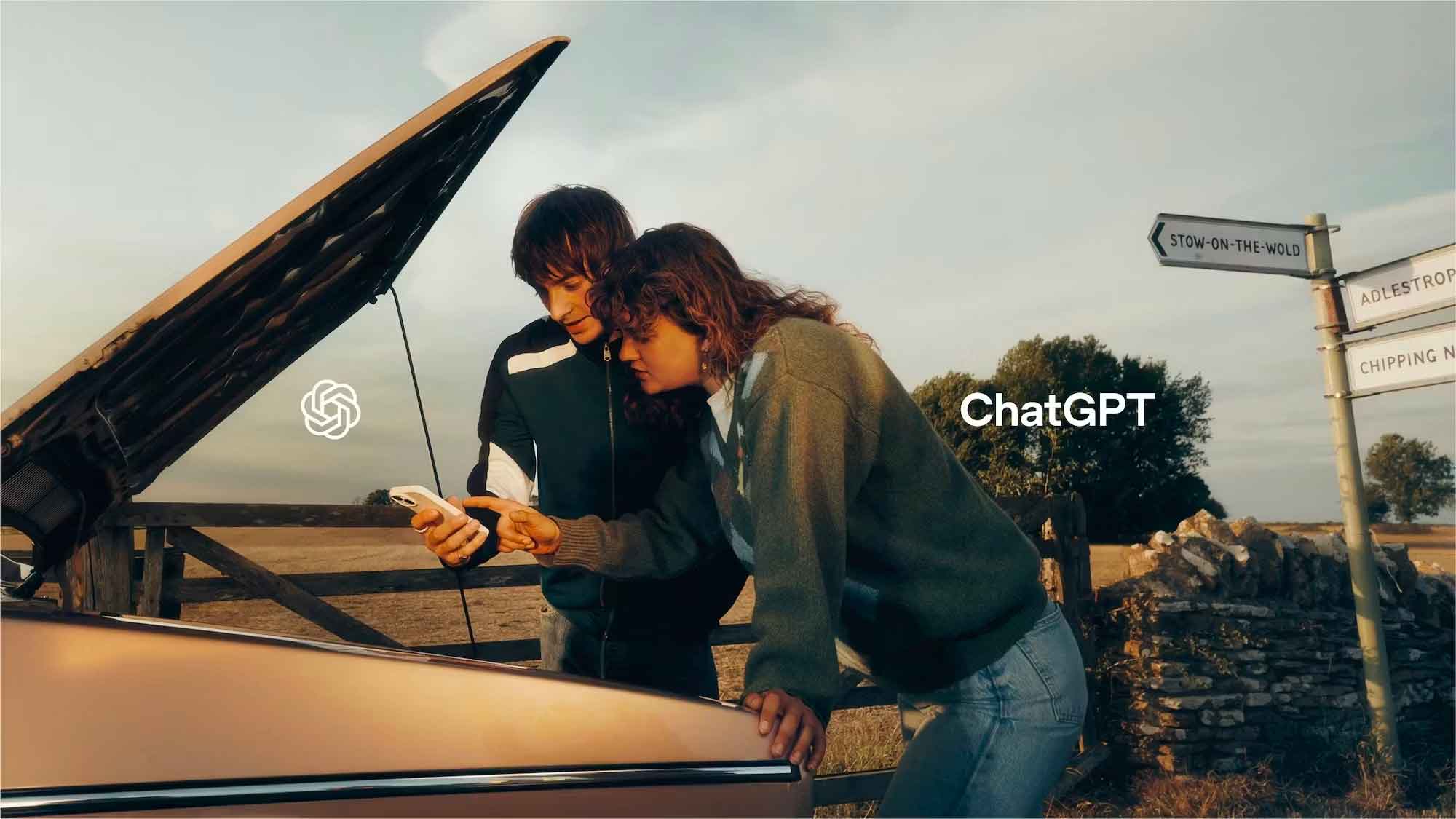
How brands are really talking about AI
There’s a curious paradox in the way artificial intelligence is being talked about to the general public. It’s everywhere, infused into every conversation, every feed, every conference; yet, the more its presence increases, the more a certain collective weariness grows. It’s not disinterest, but saturation. A background noise that risks turning one of the most disruptive technologies of our time into a topic people would rather avoid.
It’s in this climate that brands are moving, trying to talk about AI without falling into the trap of hyperbole or fear. The challenge isn’t to get noticed, but to be believed. It’s not to promise, but to demonstrate. As many creatives in the industry observe, communication about AI can no longer afford to use the language of “coming soon”: it must show, not announce. It must be concrete, not visionary.
The mistrust doesn’t stem from the technology itself, but from the way it has been talked about so far. Too much rhetoric, too many promises, too many dystopias. AI is already part of everyday life, but public perception remains polarized: on the one hand, almost messianic enthusiasm, on the other, fear of imminent disaster. It’s Paul Virilio’s old insight: every new invention brings its shadow. The ship and the shipwreck, together.
This is why the smartest brands are choosing a different path. They don’t seek to amaze, but to reassure. They don’t focus on spectacle, but on clarity. They talk about AI as if it were a new tool, not a cosmic revolution. They show how it works, what it does, what it doesn’t do. And above all, what it enables people to do better.
The most effective communication right now is one that restores a sense of control. People don’t want to feel dragged into a nebulous future; they want to know how to navigate it without sinking. They want to understand which parts of their lives will truly change and which will remain intact. They want to feel supported, not replaced.
Ultimately, AI hype is revealing something deeper than the market itself: the need for a new grammar of progress. A less noisy, more adult, more honest grammar. A grammar that doesn’t confuse complexity with confusion, nor innovation with anxiety.
And perhaps this is precisely where the real challenge lies: not in convincing the public that AI is extraordinary, but in demonstrating that it can be understood. Not in selling it as magic, but as expertise. Not in promising the future, but in making it habitable.
