
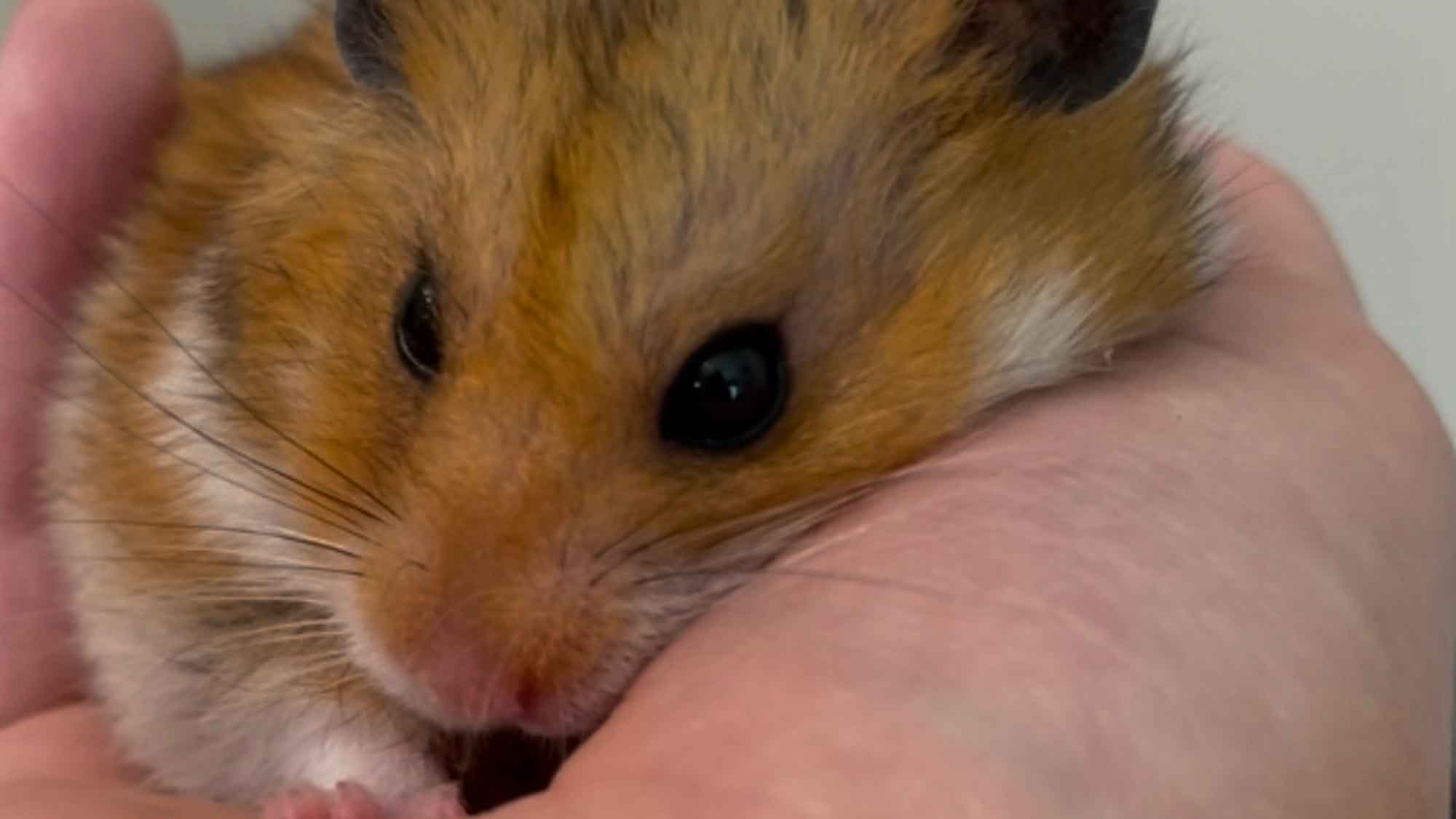
The Tiny Hamster Who Helped Rebuild a Life
A story about anxiety, fatherhood and how small acts of care can quietly rebuild a life.
At nineteen, I was afraid to speak to a bus driver.
Not metaphorically — physically. My chest would tighten at the sound of a phone. Ordering a coffee meant rehearsing every word in my head before daring to say it out loud. More than once, I walked through the rain rather than face the brief, ordinary exchange most people wouldn’t think twice about.


That’s how tightly anxiety had its grip.
I didn’t feel aggressive. I didn’t feel dominant. I didn’t feel “toxic”.
I felt small.
So at nineteen I did something that terrified me: I moved to London.
It wasn’t cinematic bravery. It was exposure therapy disguised as relocation. I forced conversations. Took jobs that required speaking. Commuted daily. Practiced saying things without editing every word first.
London didn’t cure me.
But it strengthened me.
Years later I thought I had built stability — a career, a relationship, a future. Then, without warning, it ended. No conversation. No closure. Just absence.
And the old anxiety returned.
Only this time I wasn’t nineteen.
I was a father.
My daughter Lily was watching me. She didn’t need a man who looked strong. She needed someone steady.
Around that time she asked for a hamster.
Popcorn.
I wasn’t enthusiastic at first, but Lily came prepared. She had research folders, habitat diagrams, notes about diet, enrichment and care. This wasn’t an impulse.
It was commitment.
So Popcorn entered our lives — small, quiet, almost invisible to the outside world.
But for us he became an anchor.
Feed him.
Clean his enclosure.
Refresh his water.
Show up every day.
His needs were simple and constant. And in meeting those needs, something shifted.
Care became discipline.
Discipline created structure.
Structure brought calm.
While my world felt fractured, Popcorn required consistency. In giving it to him, I began to regain it myself.
Lily flourished too. She began answering questions online about hamster care — thoughtful, patient replies to people across the world. Meanwhile, I discovered something unexpected: I loved editing videos.
Hours spent trimming clips, adjusting sound and shaping small moments into stories became something meditative. The same brain that once spiralled into anxious overthinking now found focus in timing, rhythm and precision.
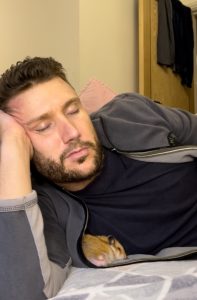
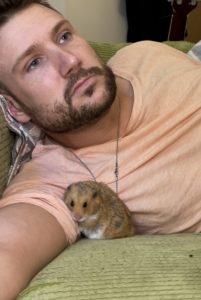
One evening I posted a simple video: Popcorn waddling forward and placing his tiny paw on my face.
By morning everything had changed.
From our home in Cardiff, our quiet healing reached millions. The account grew to nearly 150,000 followers and more than 11 million likes.
But the numbers were never the point.
The messages were.
“This calms my anxiety.”
“I watch this before bed.”
“This feels safe.”
Safe.
That word stayed with me.
We often talk about masculinity in terms of dominance, status or success. But rarely do we talk about safety — about the quiet strength of presence and care.
The frightened nineteen-year-old who once walked through the rain to avoid speaking to a bus driver was now giving interviews and talking openly about anxiety, fatherhood and resilience.
Popcorn passed away in 2023. The grief was sharp. But by then I understood something important: healing rarely arrives as a dramatic breakthrough.
It arrives in small, consistent acts.
Feeding something that depends on you.
Showing up when you’d rather retreat.
Choosing responsibility over fear.
Sometimes it’s just something small and warm in your hands, anchoring you long enough to rebuild everything.
And sometimes the smallest heartbeat can steady your own.
Story by Chris — first shared with Blend London Magazine.
