London as a Palimpsest
Postmodernism emerged in the late 20th century as a rebellion against the austerity of modernism. It dismantled the grand narratives of progress and rationality, replacing them with irony, pluralism and playful citation. Today, in the digital age, this inheritance finds new resonance: our communication, our cities and our art are saturated with postmodern gestures, transformed by algorithms and social platforms.
In communication, the parallels are striking. Postmodern texts fractured linear discourse; social media multiplies micro‑narratives, memes and slogans. Truth is no longer singular but plural, contradictory, often ironic. The digital stream is a constant remix, a collage of voices without hierarchy, echoing the postmodern suspicion of order.
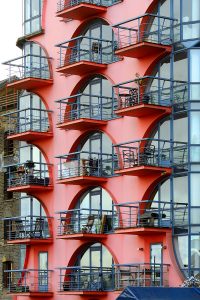
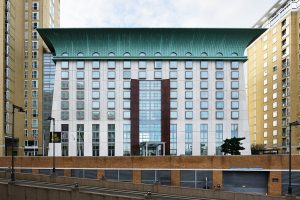
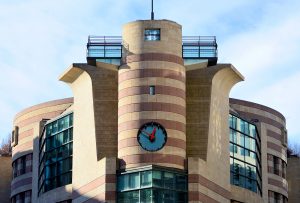
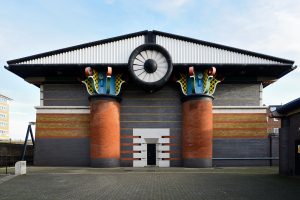
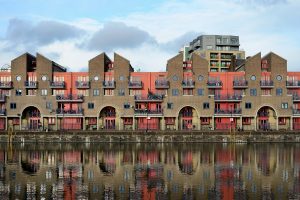
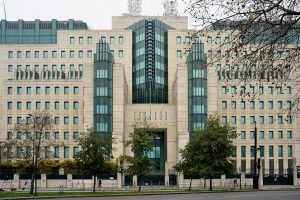
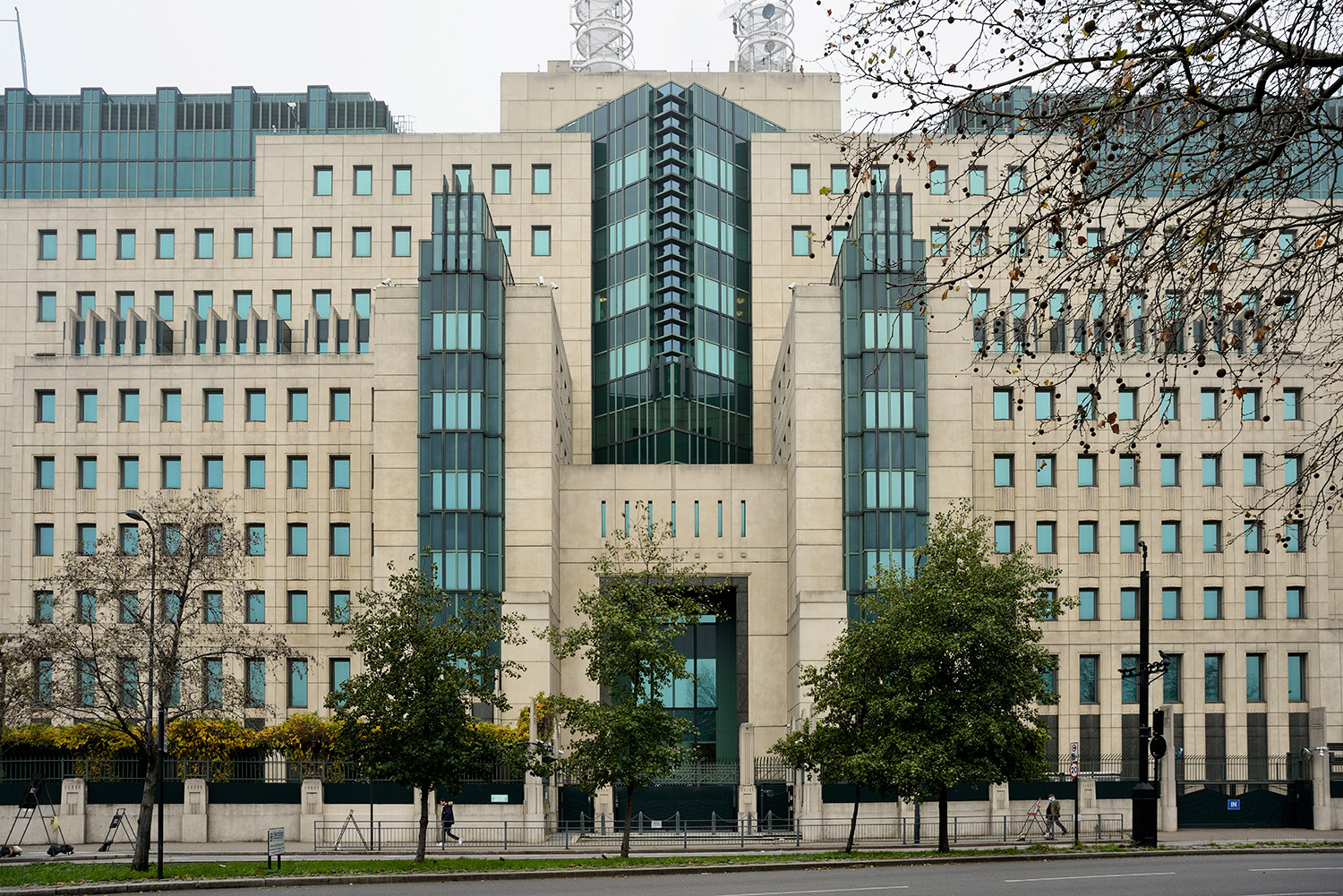
Architecture in Britain offers some of the most vivid examples of this inheritance. Figures such as Terry Farrell, James Stirling, Charles Jencks and the practice CZWG reshaped London’s skyline with buildings that embraced irony, symbolism and historical reference. Farrell’s SIS Building on the Thames, Stirling’s No. 1 Poultry, and CZWG’s playful interventions in housing and public spaces are landmarks of this architectural wild card. These structures reject modernist purity, instead layering signs and styles in ways that mirror today’s digital cityscape, where screens, logos and campaigns overlap in a constant visual remix Historic England Dezeen ArchDaily.
Art completes the picture. Postmodernism thrived on appropriation and collage; digital culture thrives on remix, sampling, meme aesthetics and infinite reproduction. Walter Benjamin’s notion of the lost aura has become the norm. Yet in the digital sphere this loss is not only absence but possibility: the work of art seeks presence, community, interaction rather than uniqueness.
Digital language is not simply a descendant of postmodernism; it is its transformation. Where postmodernism celebrated plurality and fragmentation, the digital adds speed, algorithmic control and the risk of superficiality. The challenge remains the same: to defend dignity in communication, art and architecture against the temptation to reduce everything to spectacle.
London, with its postmodern landmarks and its digital campaigns, is a living palimpsest of this inheritance. Postmodernism taught us that there is no single truth. The digital reminds us that plurality can collapse into noise. Our responsibility is to turn that noise into culture, to transform fragments into presence, and to resist the erosion of authenticity.
Sources: Historic England on postmodern architecture Historic England; Dezeen on UK postmodern buildings and architects Dezeen; ArchDaily on British postmodernism and figures like Stirling and Jencks ArchDaily.